Today, I had the chance to attend the much-anticipated Tamagawa Hanabi, a spectacular fireworks event. But first, do you know what “hanabi” means? The term combines the Japanese words for “flower” (花) and “fire” (火), perfectly capturing the fleeting beauty of fireworks displays. Hanabi festivals are a quintessential part of Japanese summer, with events taking place across the country during the warmer months. Some of the most famous displays include Sumidagawa and Adachi in Tokyo, as well as Nagaoka and Miyajima in other regions of Japan.
These events are not just about the fireworks themselves; they are an experience of tradition, community, and seasonal celebration. On warm summer evenings, attendees often don light, breezy yukatas—the traditional summer garment—and gather with friends and family for picnics along riverbanks or by the sea. It’s a festive atmosphere where food stalls abound, laughter fills the air, and the sky comes alive with brilliant displays of light and color. For many, hanabi is also a social occasion akin to April’s hanami (cherry blossom viewing), where the beauty of nature is accompanied by the relaxed enjoyment of food, drinks, and, yes, the occasional indulgence in a little outdoor revelry.
The Tamagawa Hanabi near Futako-Tamagawa Station is truly a top-tier fireworks event. Though last year’s show was canceled in August due to heavy rain, it made a spectacular comeback this October—right in the middle of typhoon season—almost as if to prove its resilience and enduring allure. I suspect many of last year’s unused preparations were repurposed, resulting in an even more impressive display this year. In fact, the show felt like it was doubled in grandeur. Staying true to the meaning of “Futako” (二子), which translates to “two children” or “twins,” the event’s theme featured “twin fireworks” launched from two separate locations along the river.
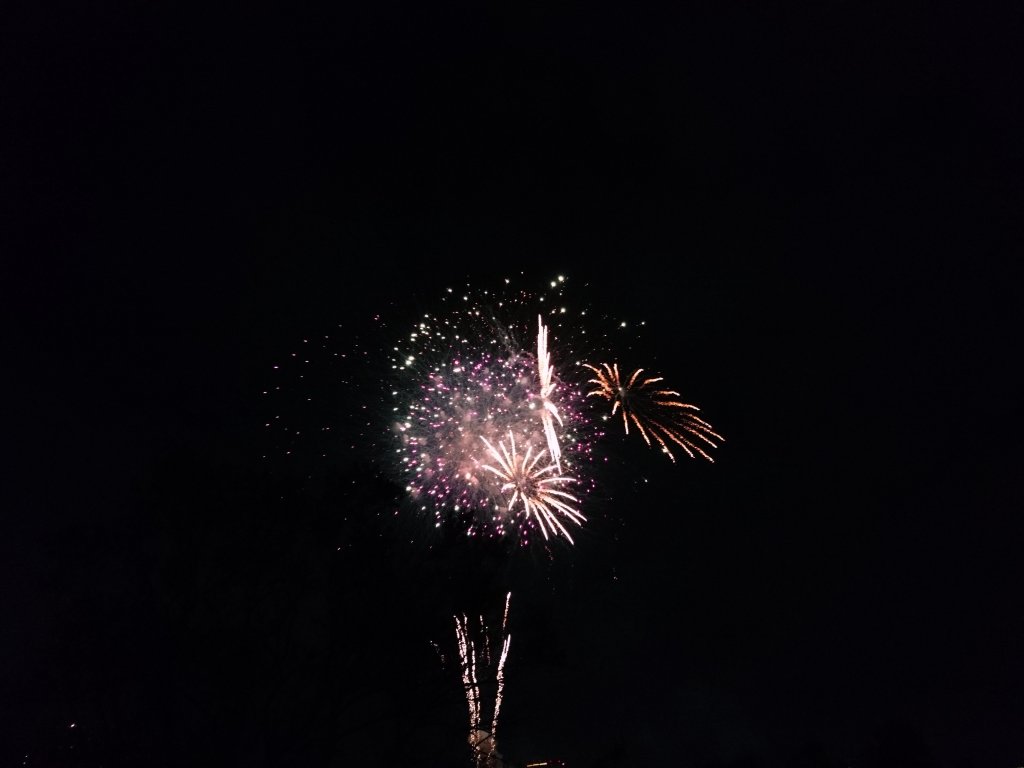
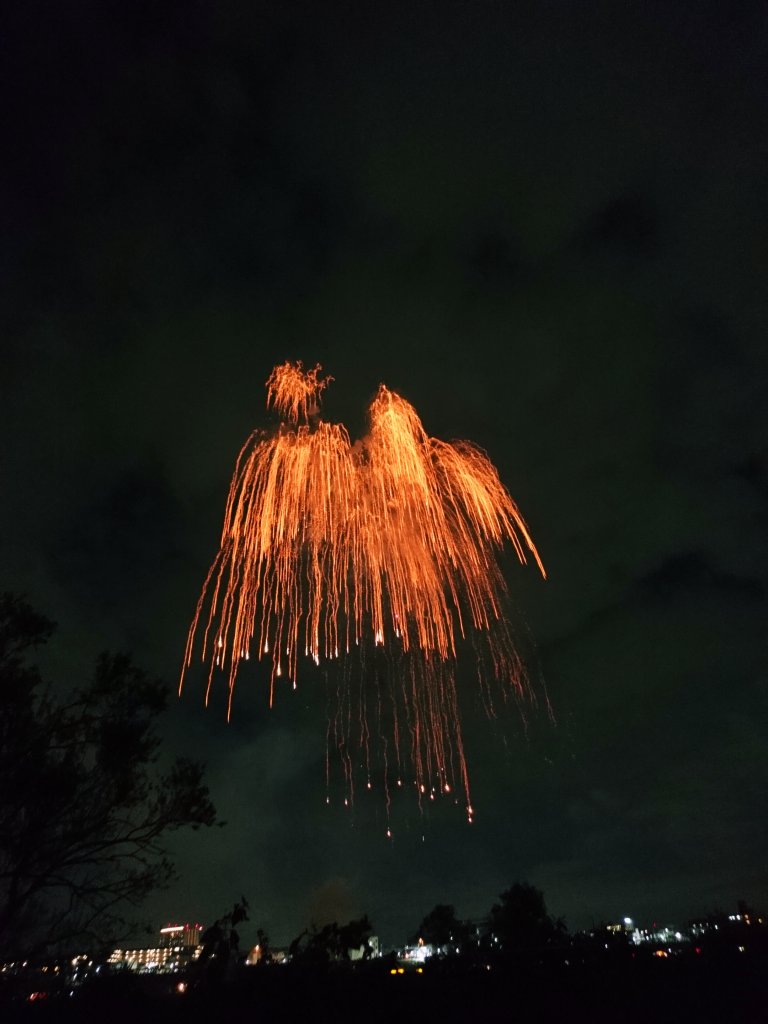
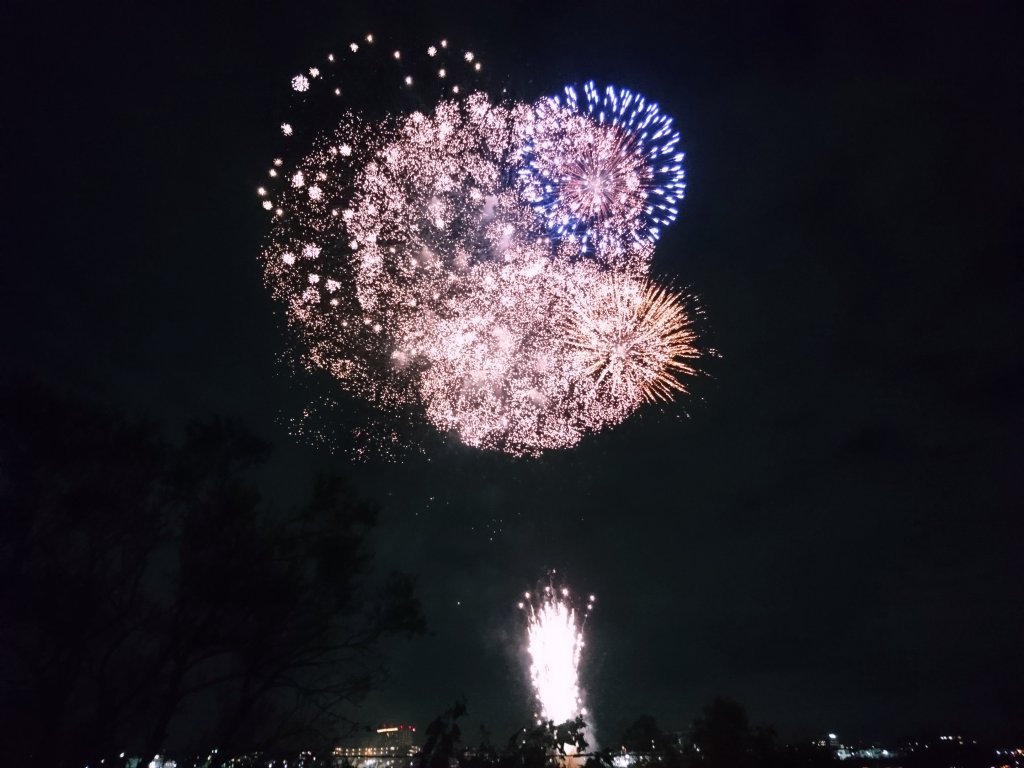
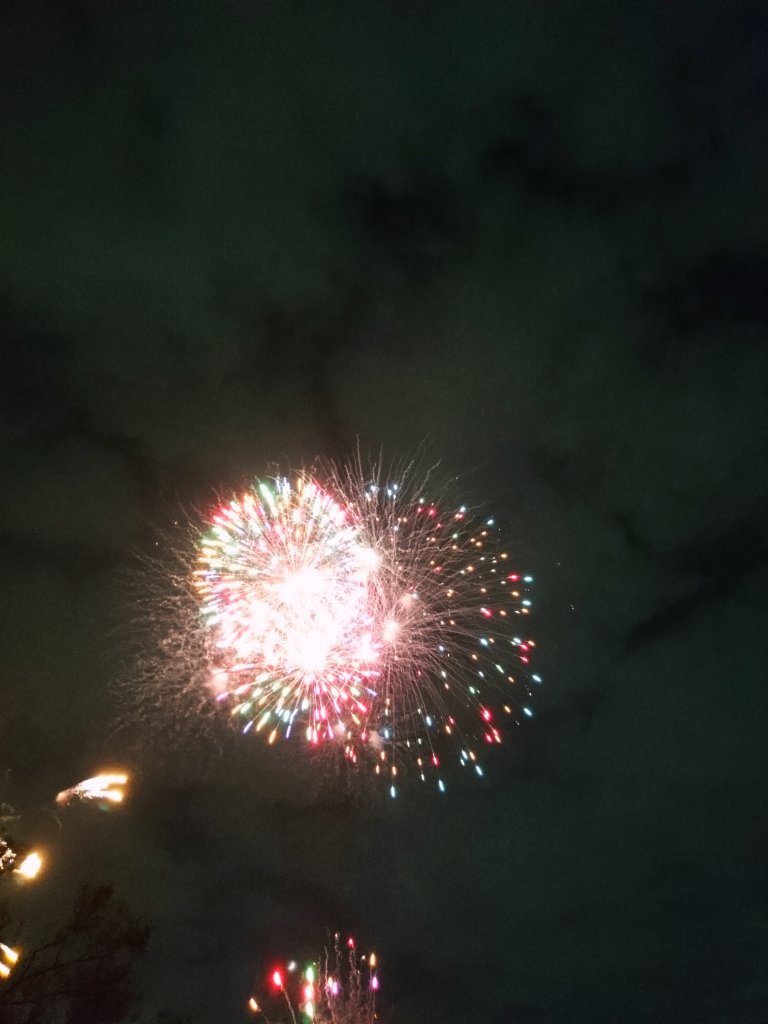
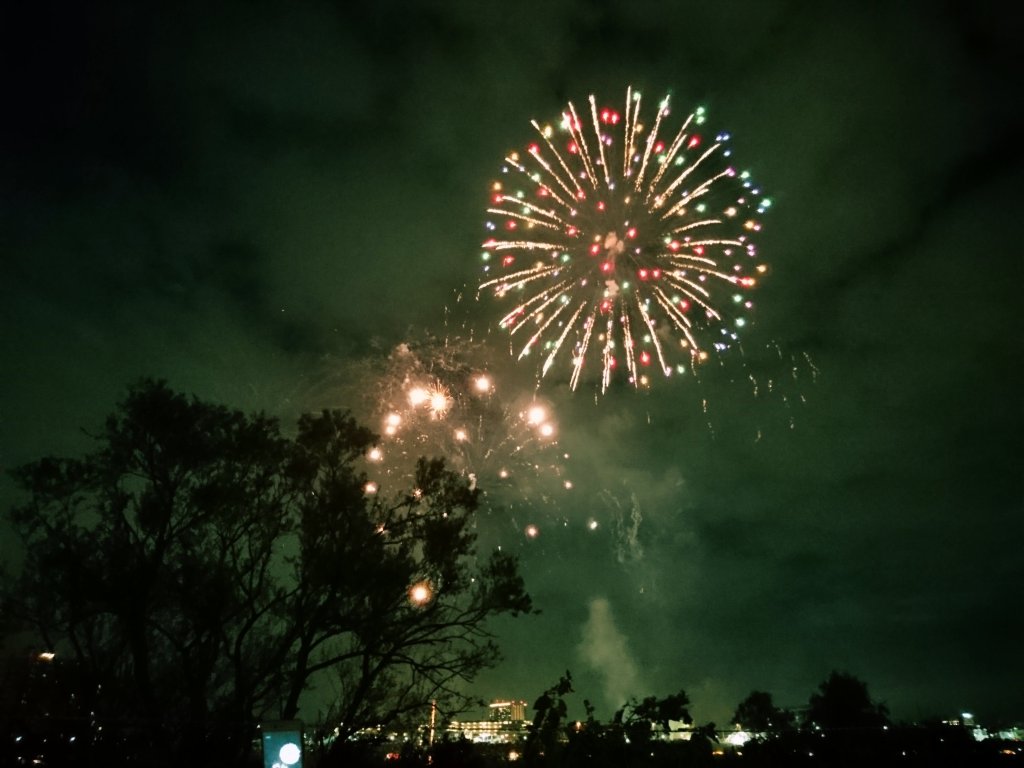
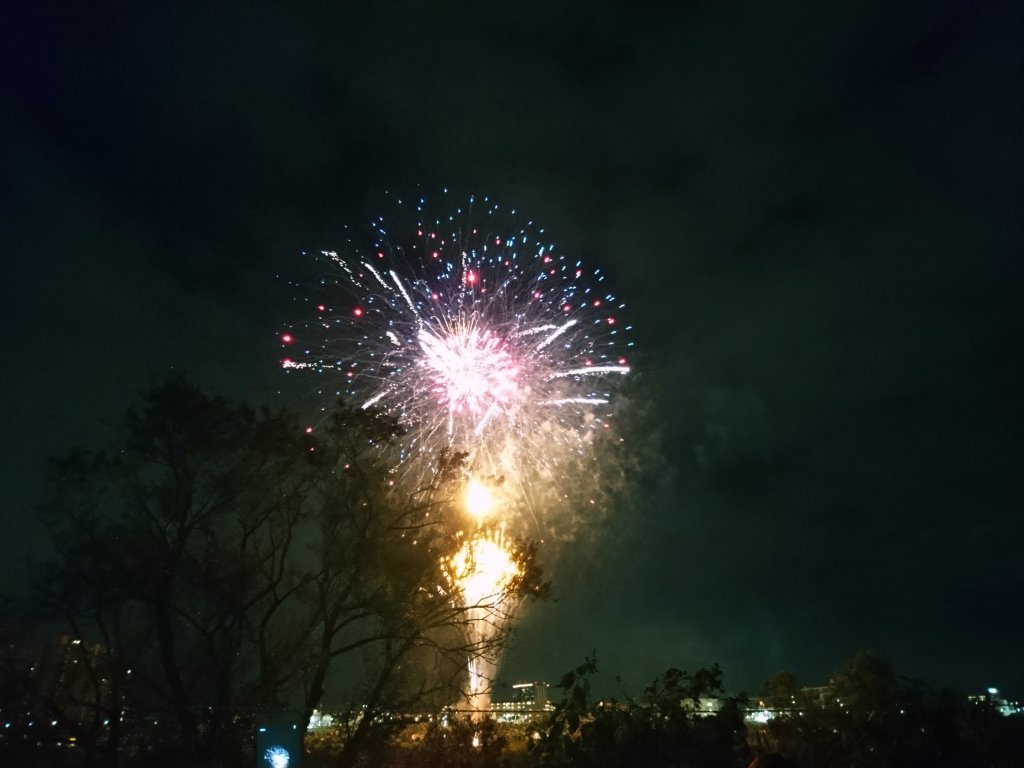
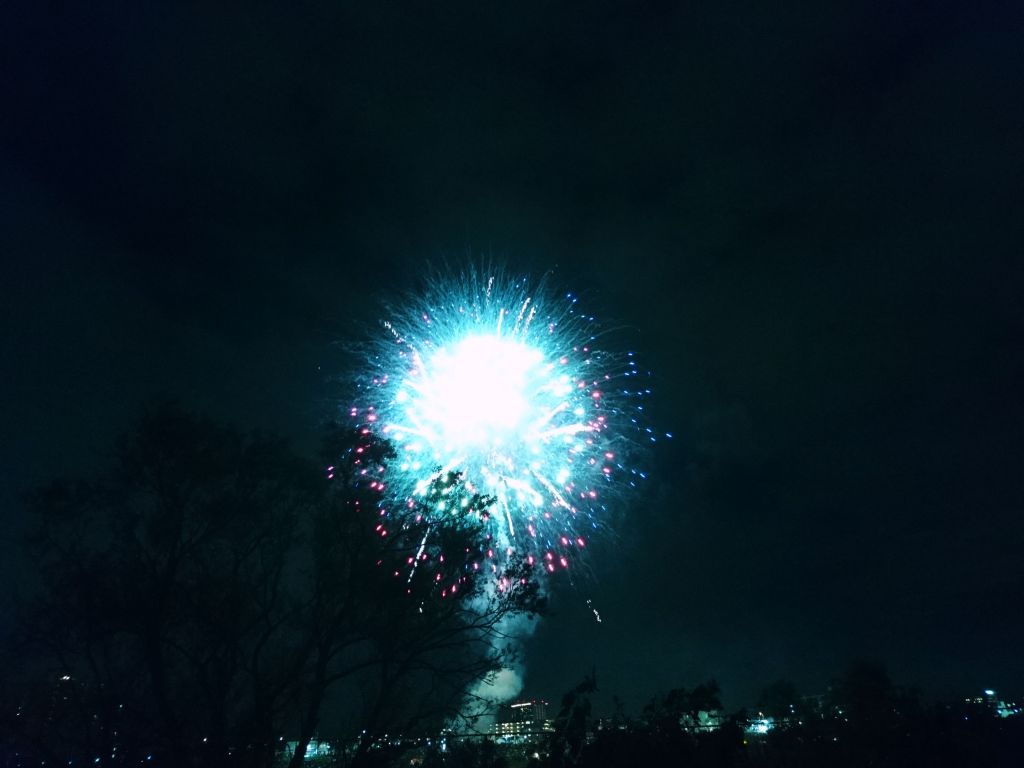
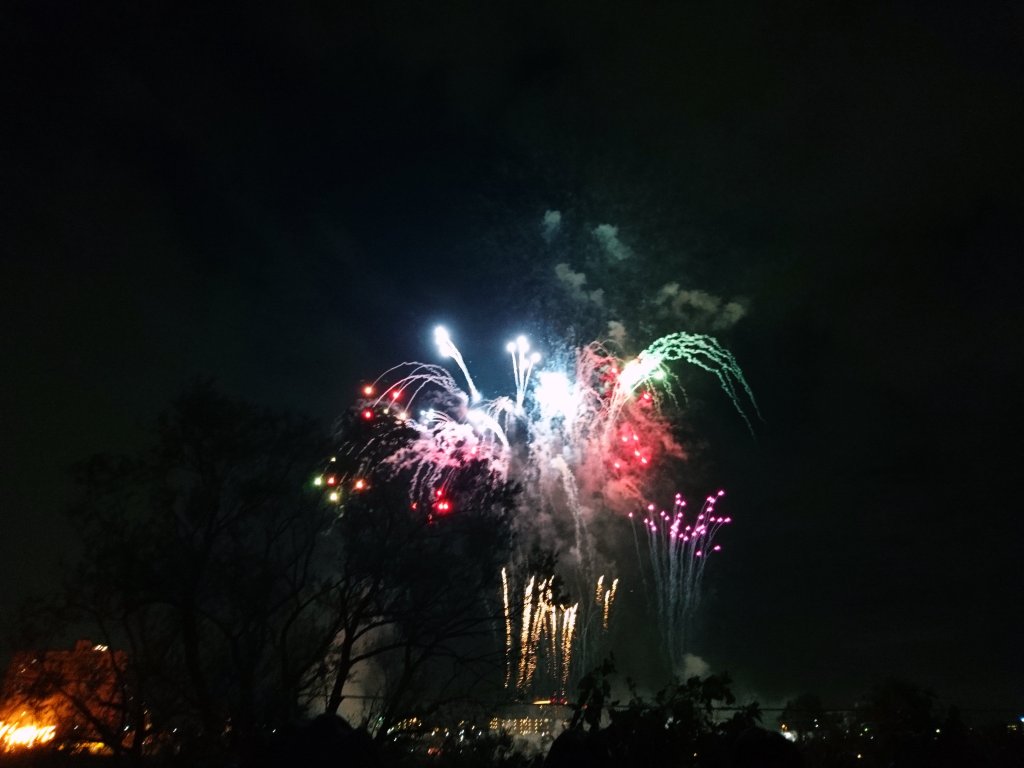
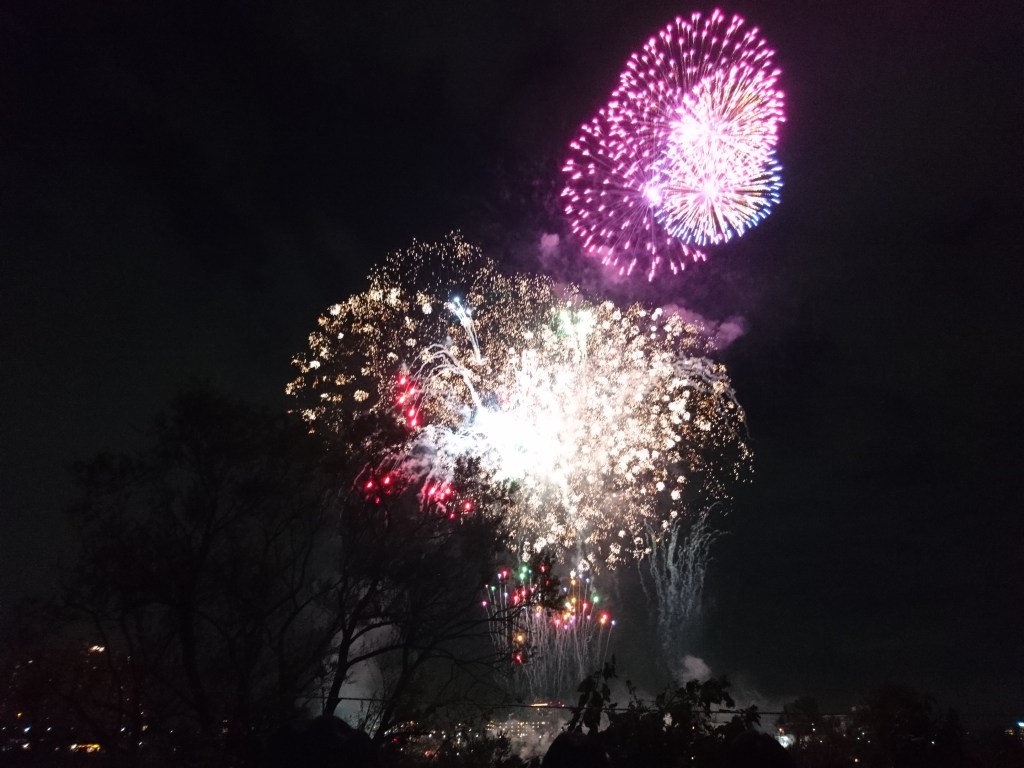
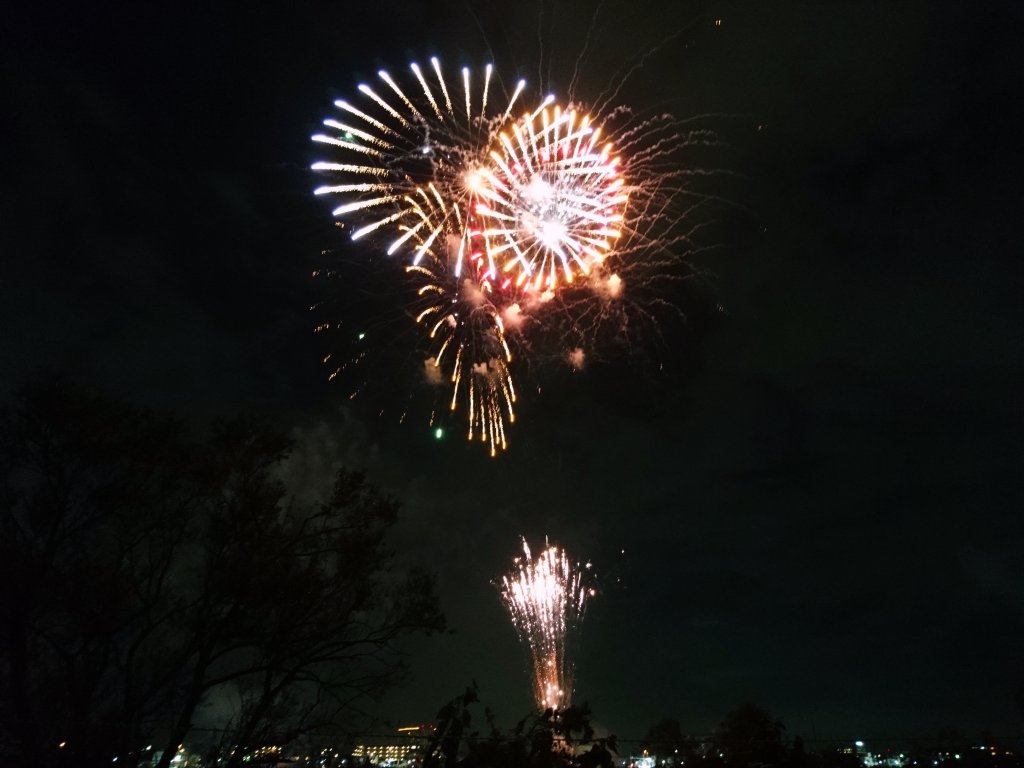
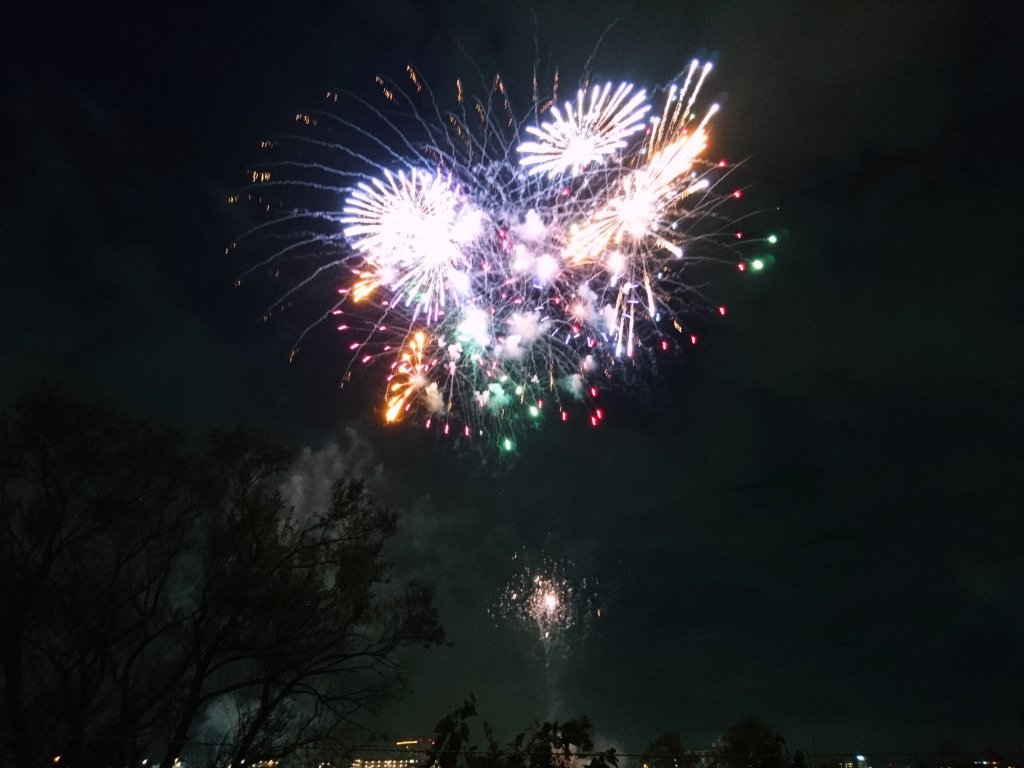
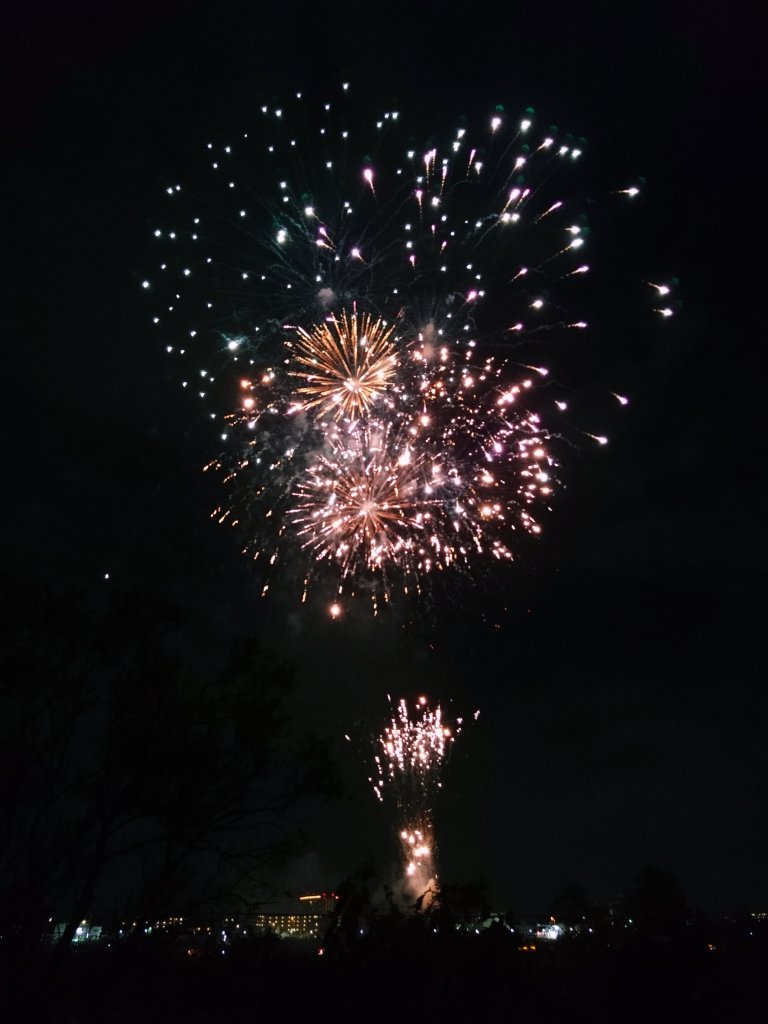
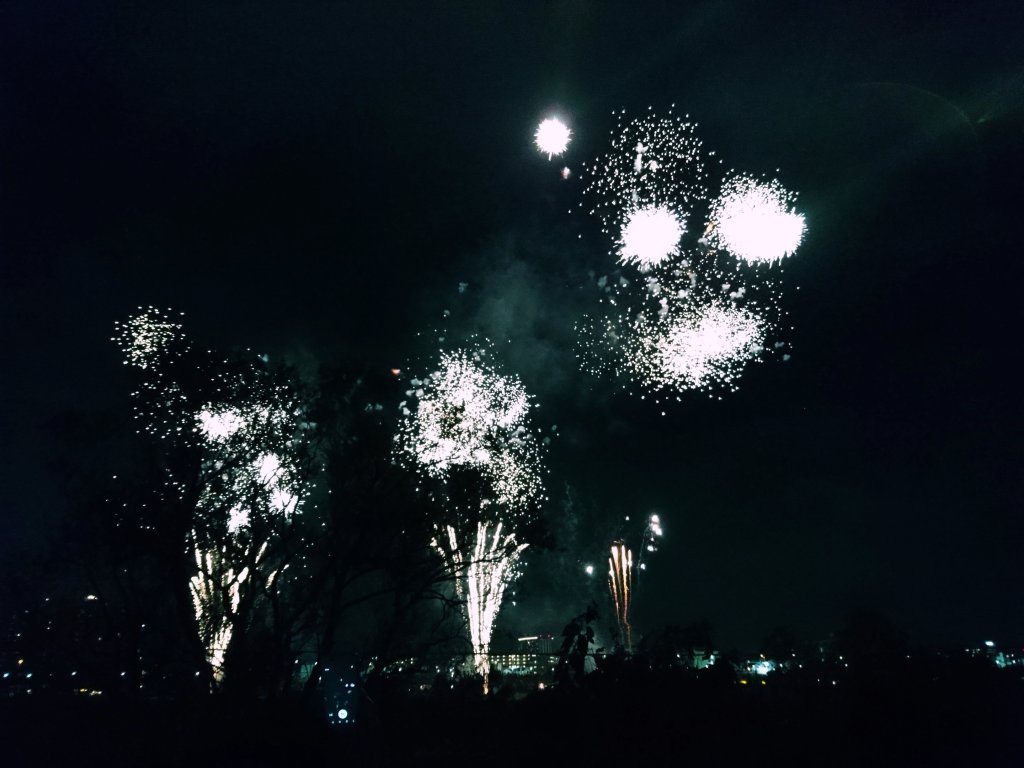
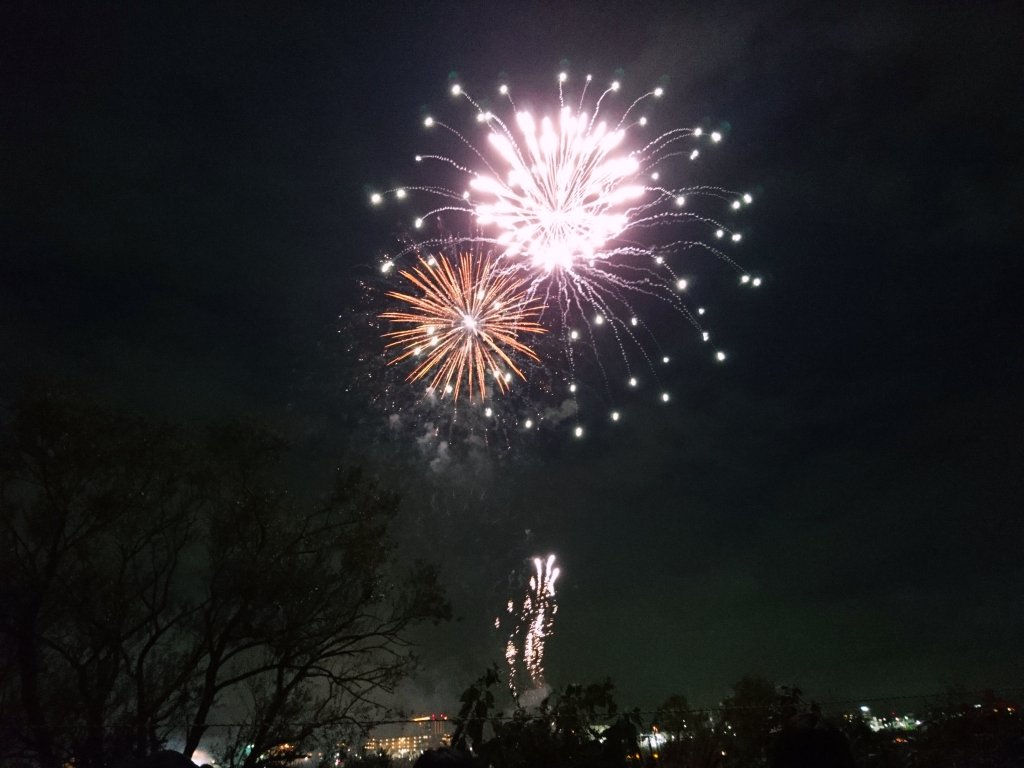
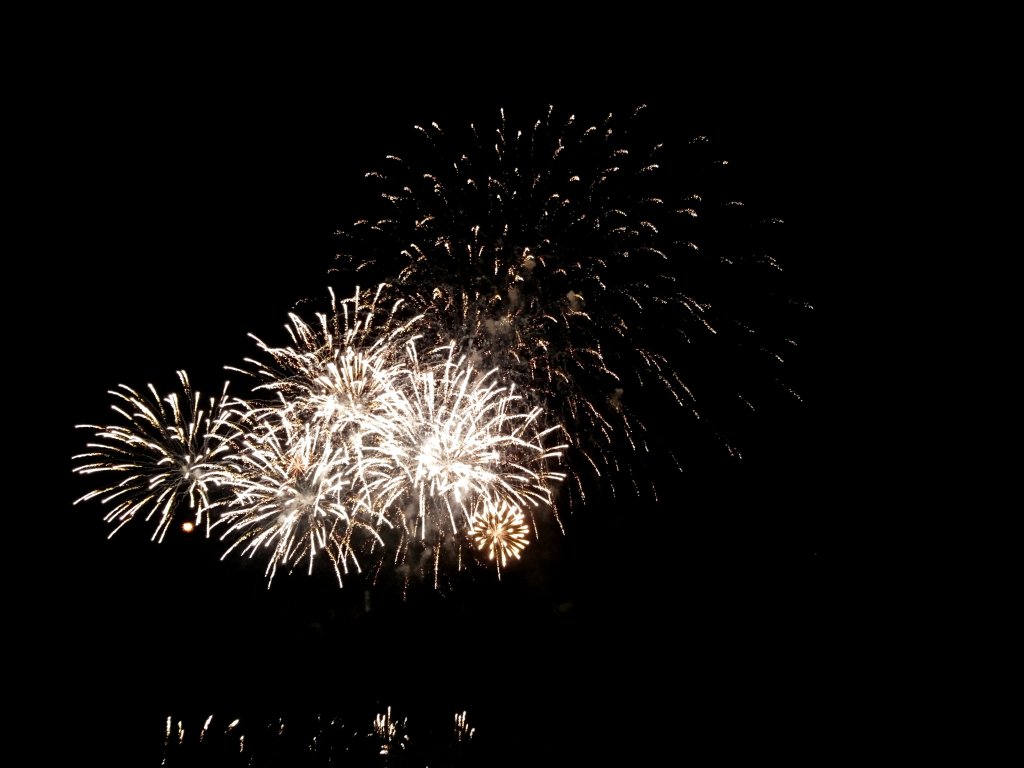
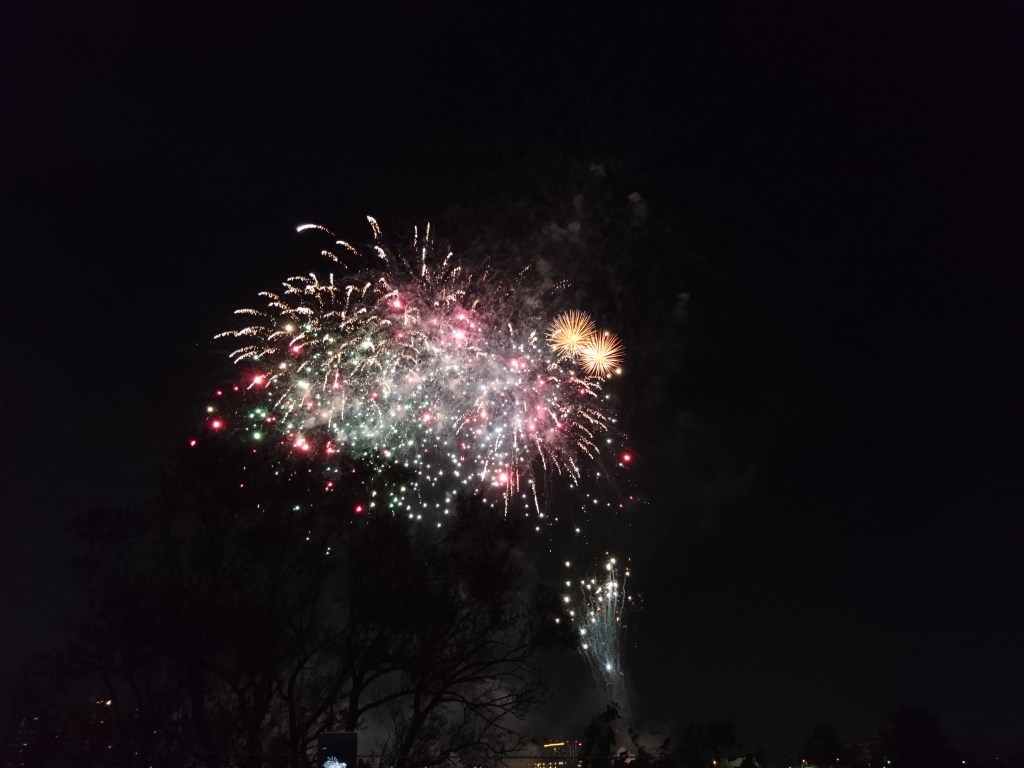
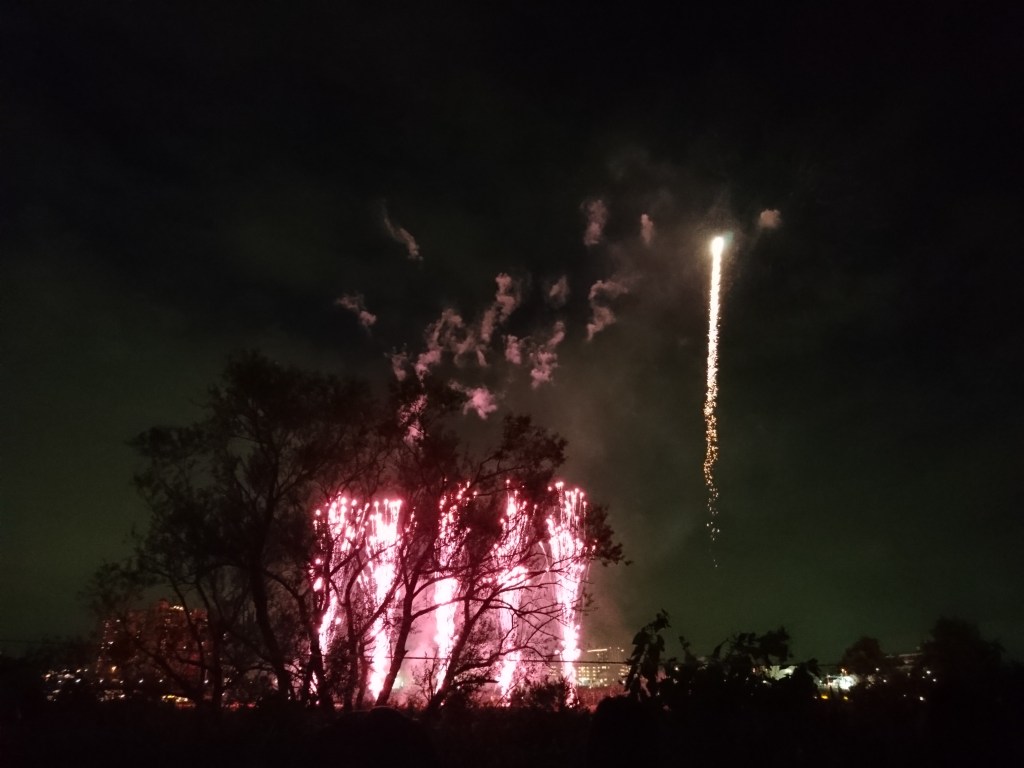
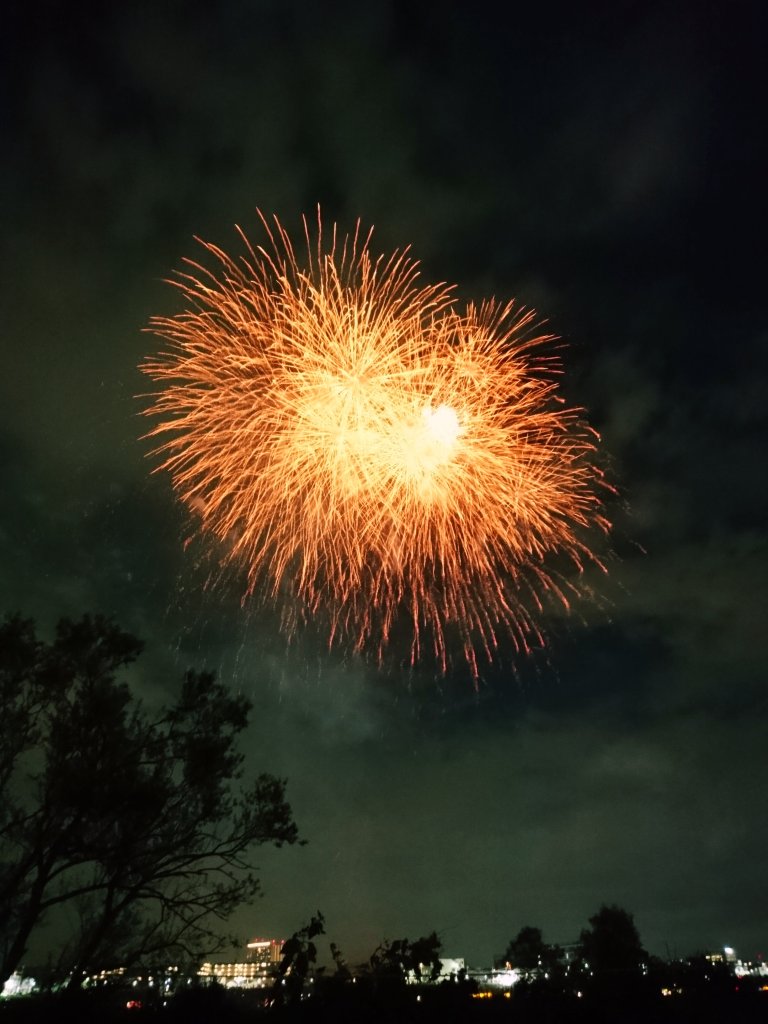
The area around the station underwent significant reorganization to manage the large influx of visitors. A coffee shop was temporarily converted into additional ticket gates to handle the crowds, underscoring the scale of the event. Sponsorship played a big role in its success, with support from numerous organizations, most prominently the e-commerce giant Rakuten, whose headquarters are located nearby. The show lasted a full hour, far exceeding the typical 30-minute duration of similar events, and featured a stunning 6,000 fireworks, as noted on the official website. Among the many dazzling compositions, there were delightful shapes like hearts, cats, and smiley faces that added a whimsical touch. Unfortunately, the riverbank itself was off-limits, so I couldn’t enjoy the enchanting reflection of the fireworks on the water. However, I did manage to capture some memorable shots from the east riverbank of the Tama River, near Kaminoge Station. I hope you’ll enjoy the photos!

















 belleelene