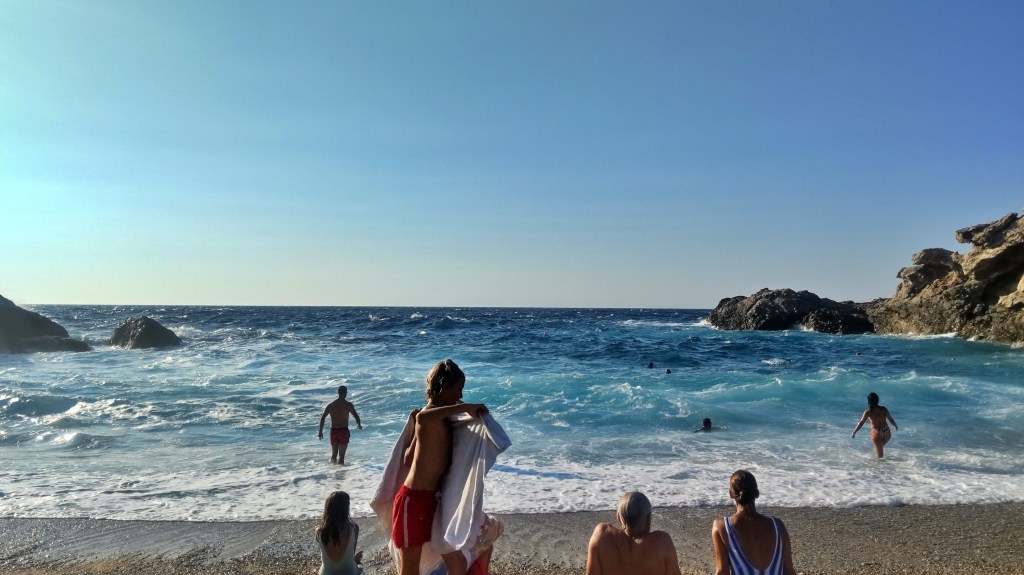
Ikaria isn’t the island you go to “tick off” sights; it’s the one you hit to lose track of time. I’ve gone, gone back, and I’ll go again—it’s got that black-hole gravitational pull to it. Those fond of myths, already figured out that it’s the island of Icarus, the son of maze-master Daedalus. Icarus flew too close to the sun and the wax on the wings that his father invented started to melt away. Eventually, the sea in front of the island pulled him in, and has been known as Ikaria ever since.
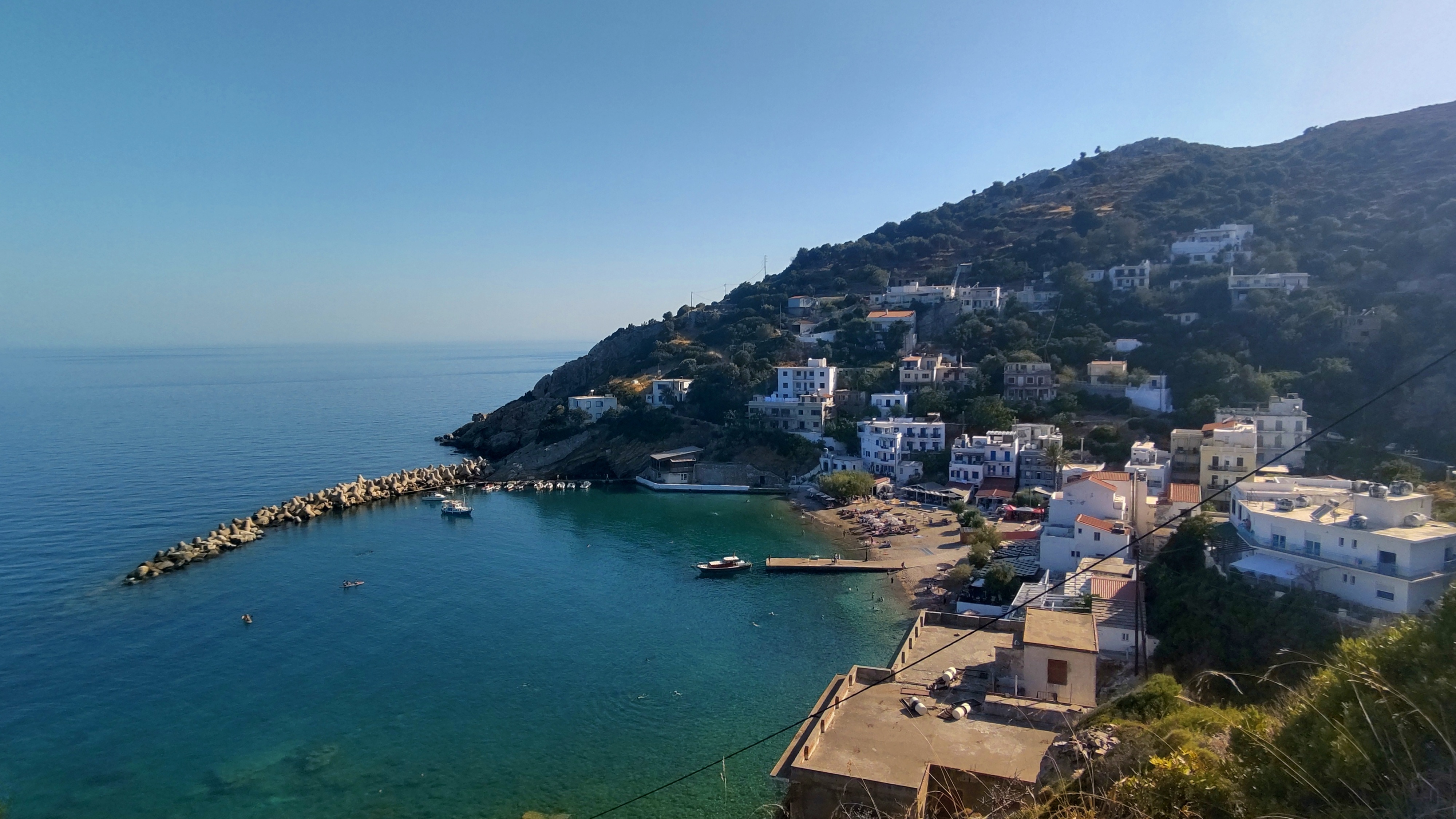
Ikaria is one of only five designated Blue Zones in the world (alongside Sardinia, Okinawa, Nicoya, and Loma Linda). These are regions where people live statistically longer than anywhere else on Earth. Locals claim that in their case it is because time and stress are irrelevant to them. Let’s not forget that the island has also a unique political history. Following the Greek Civil War, the island – a barren land – became a place of exile for communists. This resulted in a local population of people fiercely independent, self-sufficient, and community-focused.
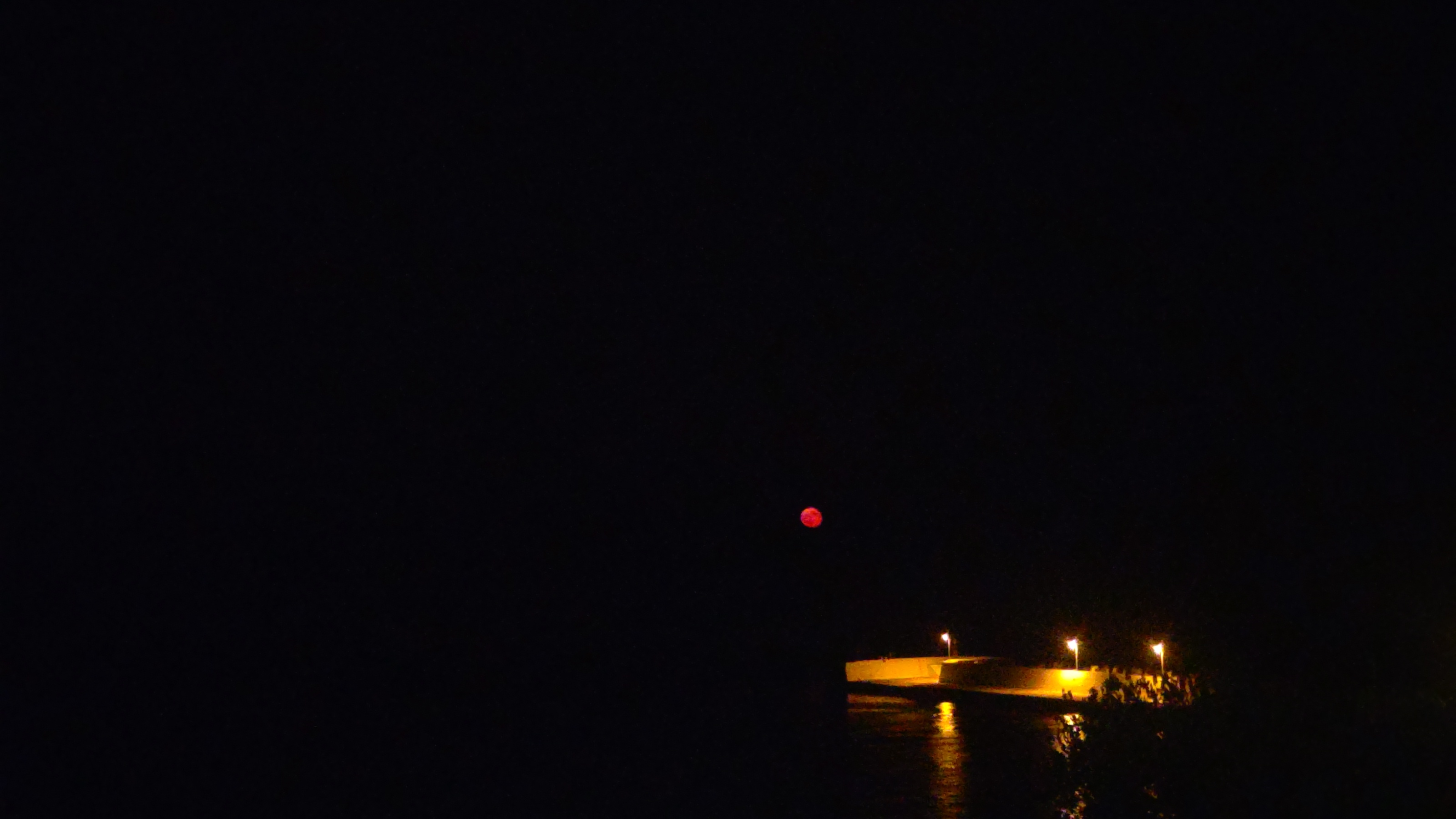
It’s worth noting that Ikaria has two ports: Evdilos and Agios Kirikos. On our first visit, we were so entwined in the usual tourist playbook that we thought “we gotta see everything”. We planned long and hard, and decided to split our stay between the east and the west part of the island. We arrived at Agios Kirikos and remained in nearby Therma for a few days. Mid-trip, we switched to Raches and returned home via Evdilos.
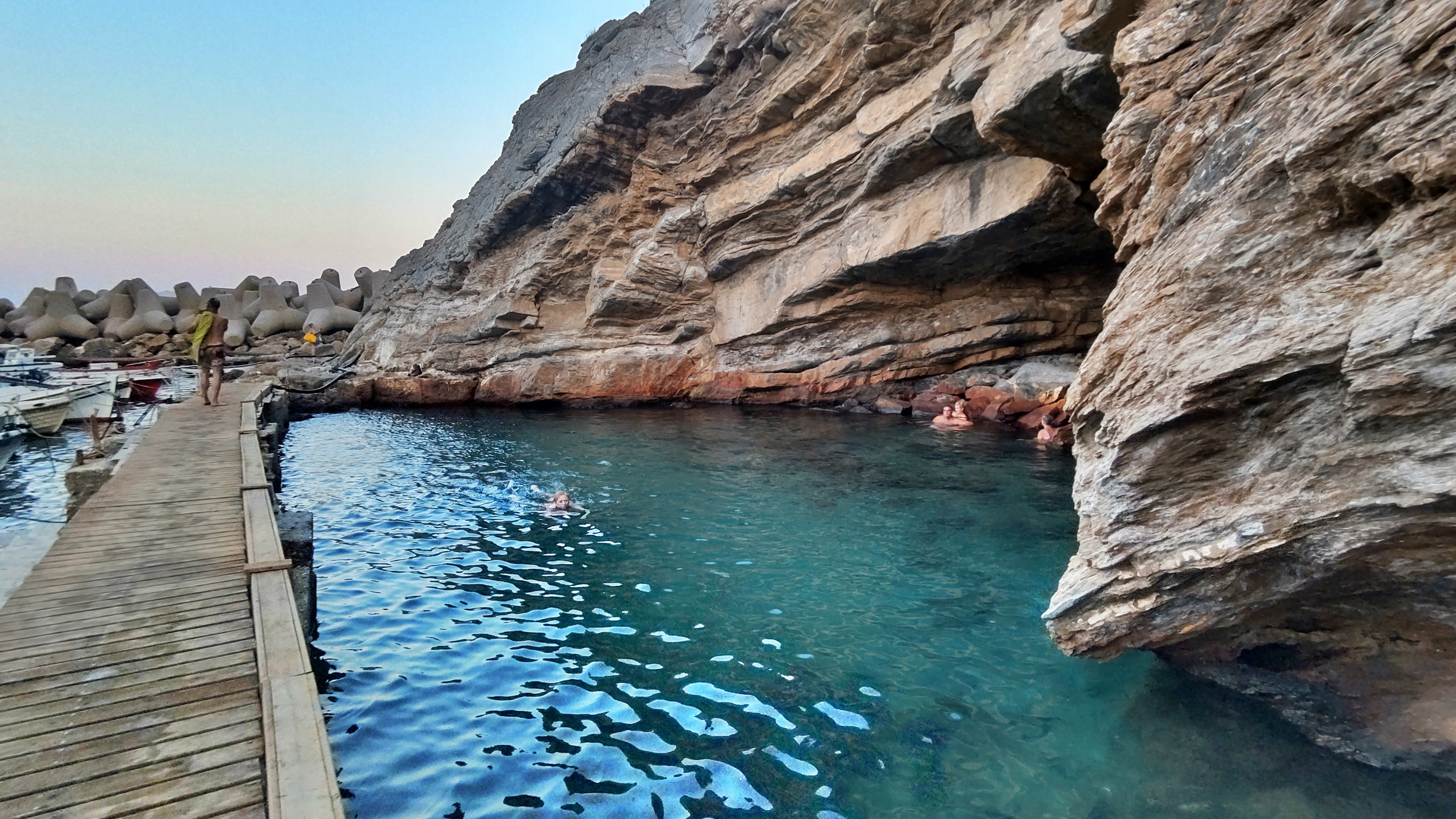
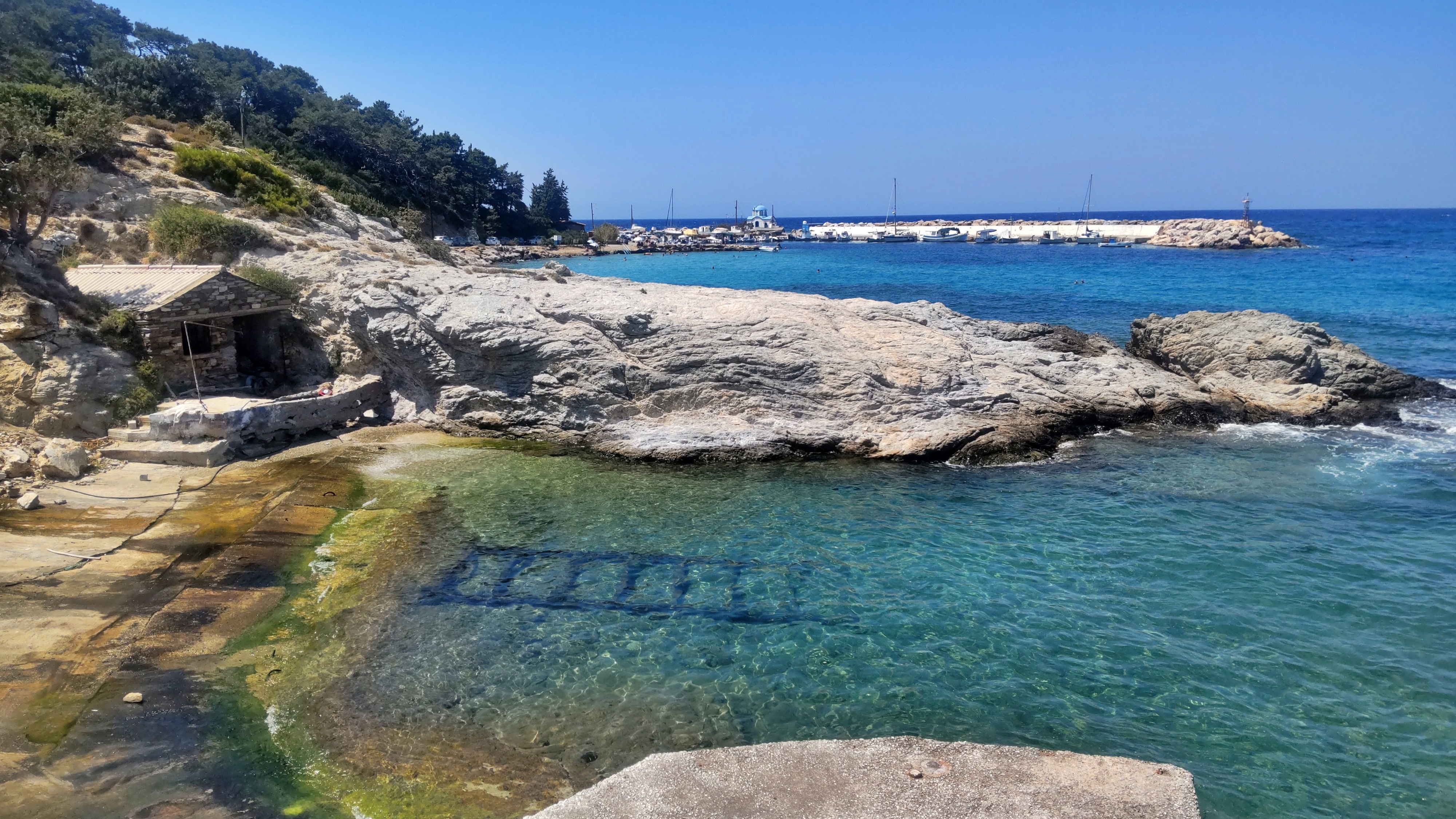
Even if your greek is rusty, you probably can guess that Therma means “hot”. The small village has a wonderful natural hot spring, located conveniently directly on the beachfront. Our daily routine involved touring the tiny bays with rocky beaches of the east. Every evening, religiously without fail, we quickly stopped by at the hot spring for a quick soak, just before returning to our room to get dressed for our night-out. Straight-up primal onsen vibes in a modern Greece setting, with a culture that has forgotten by now what hyped Roman baths and Turkish hammam.
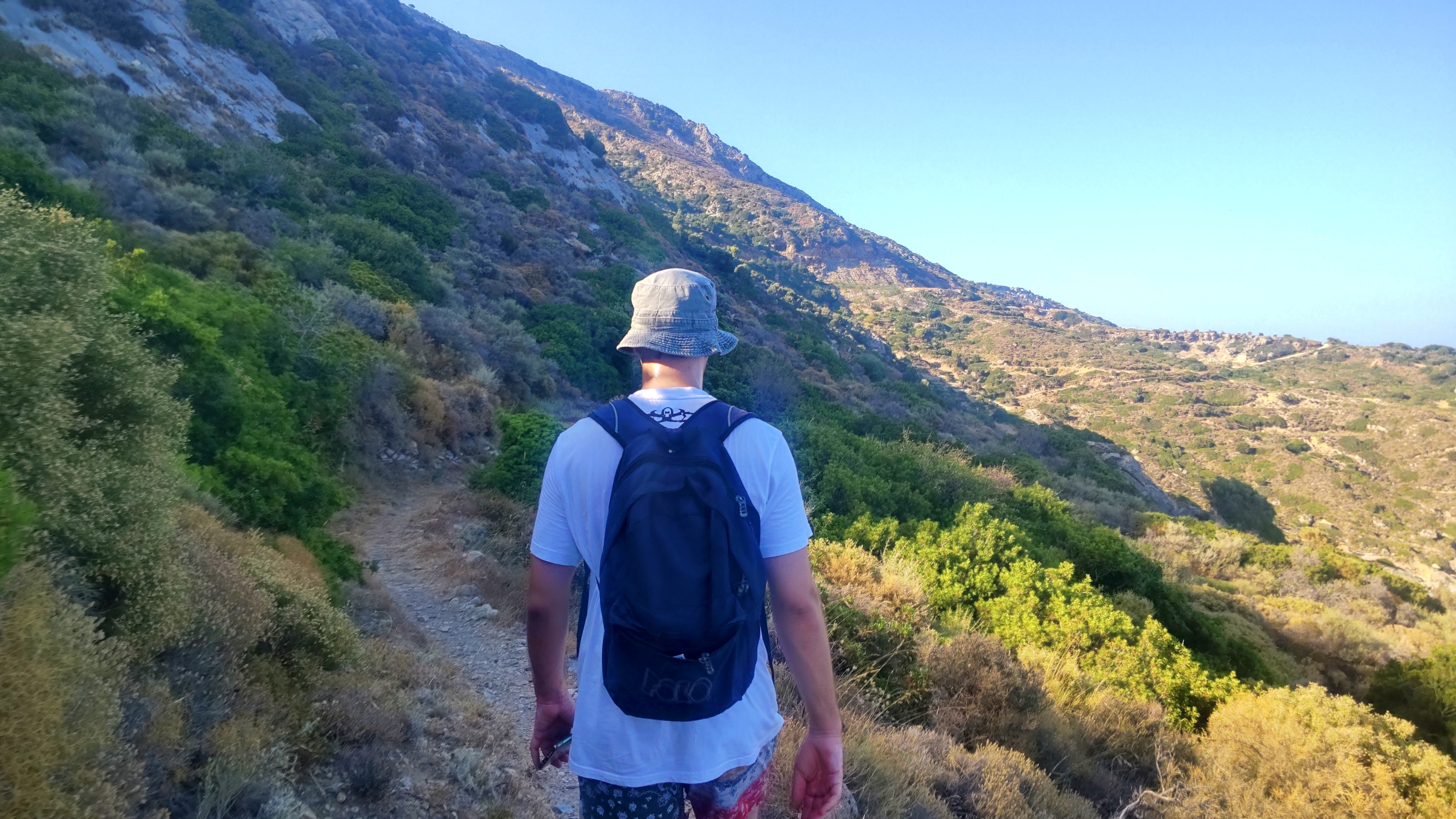
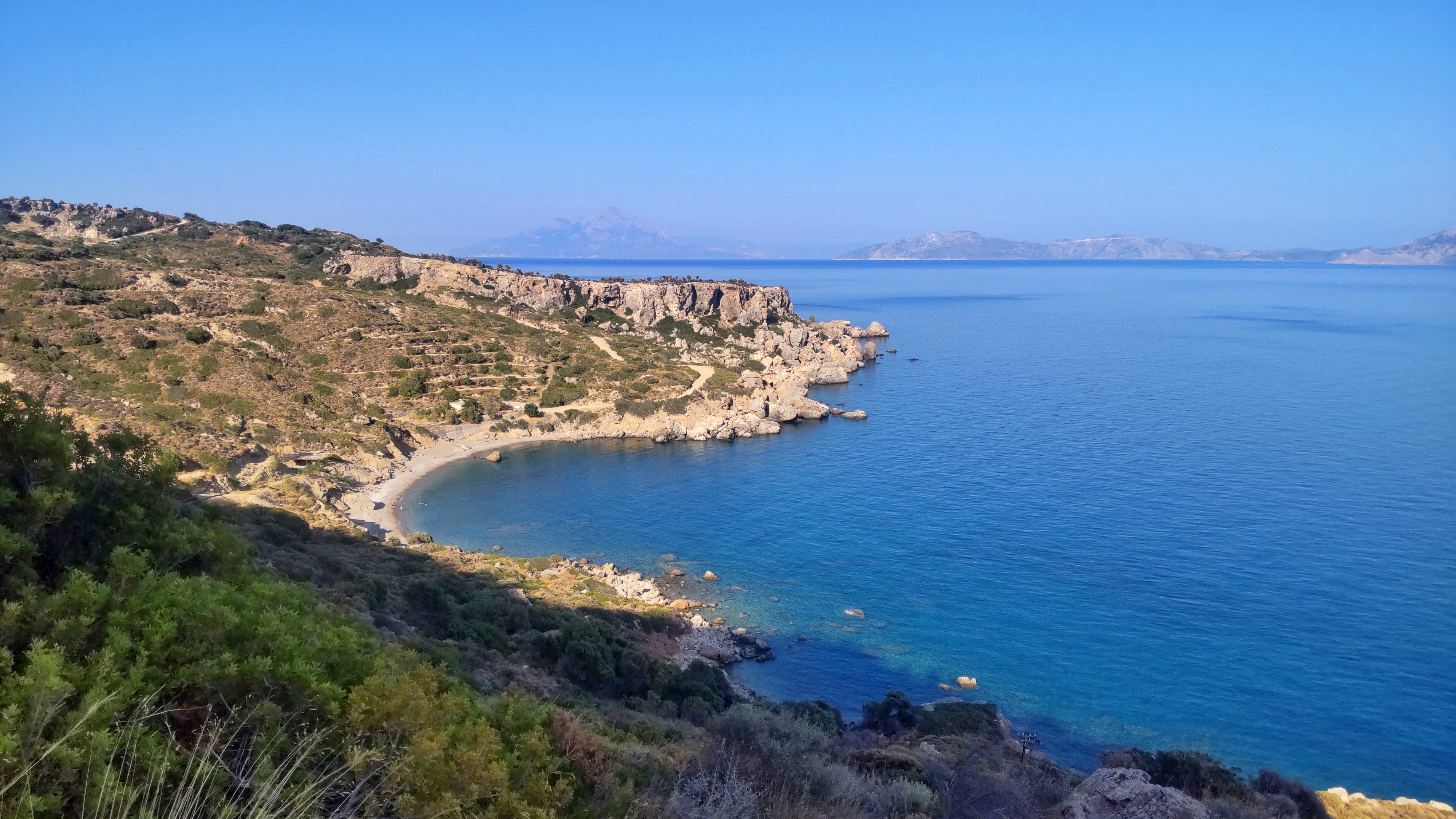
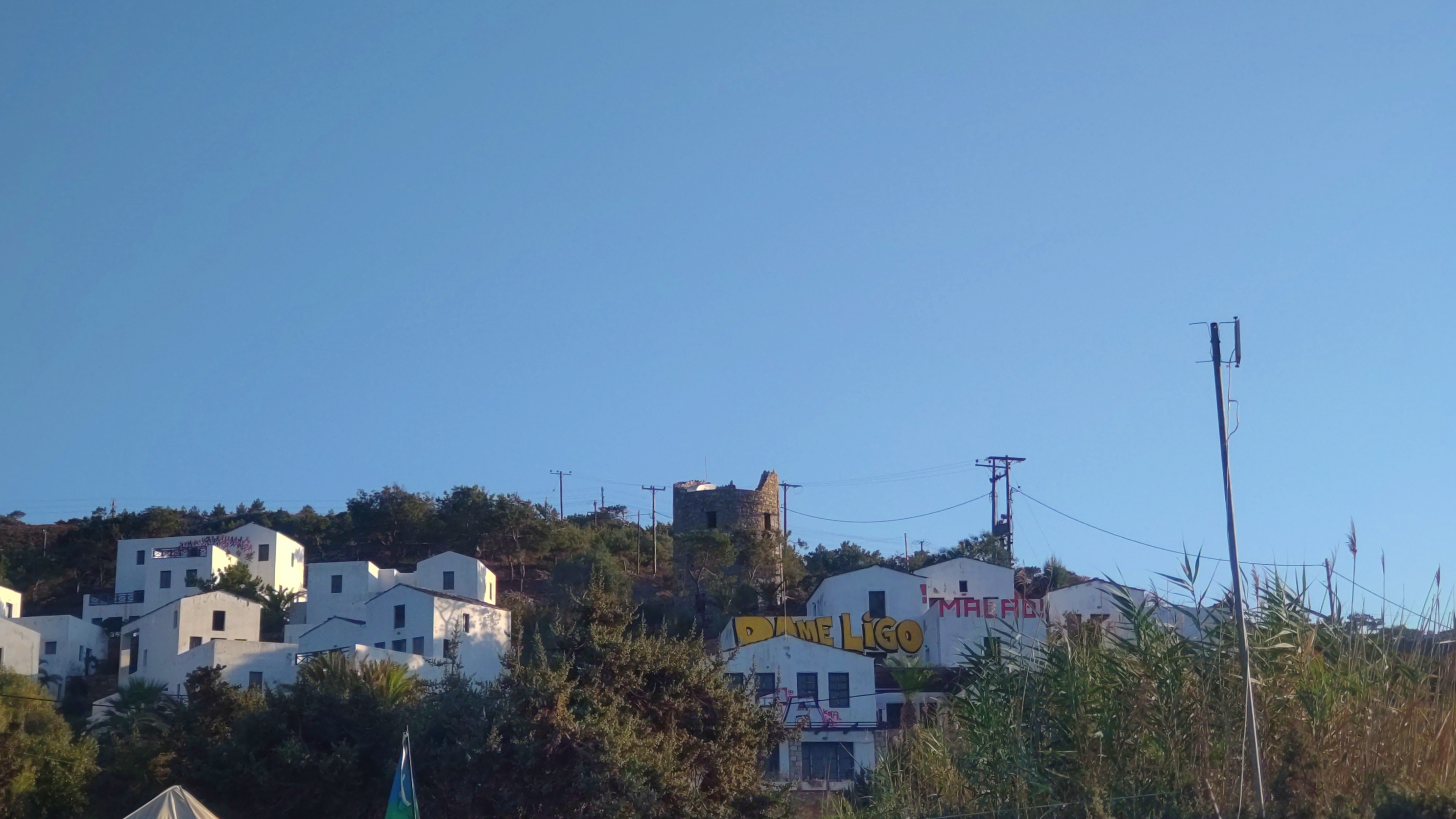
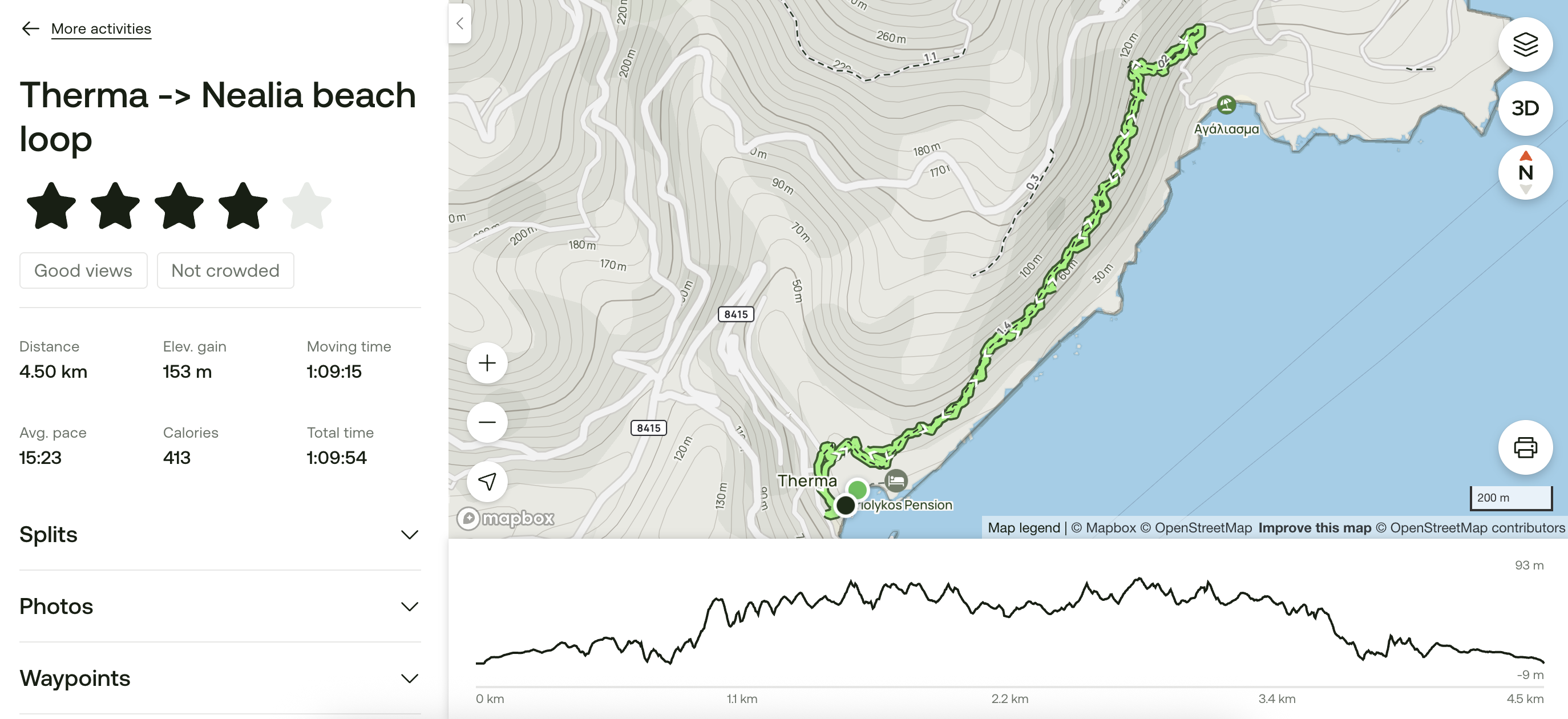
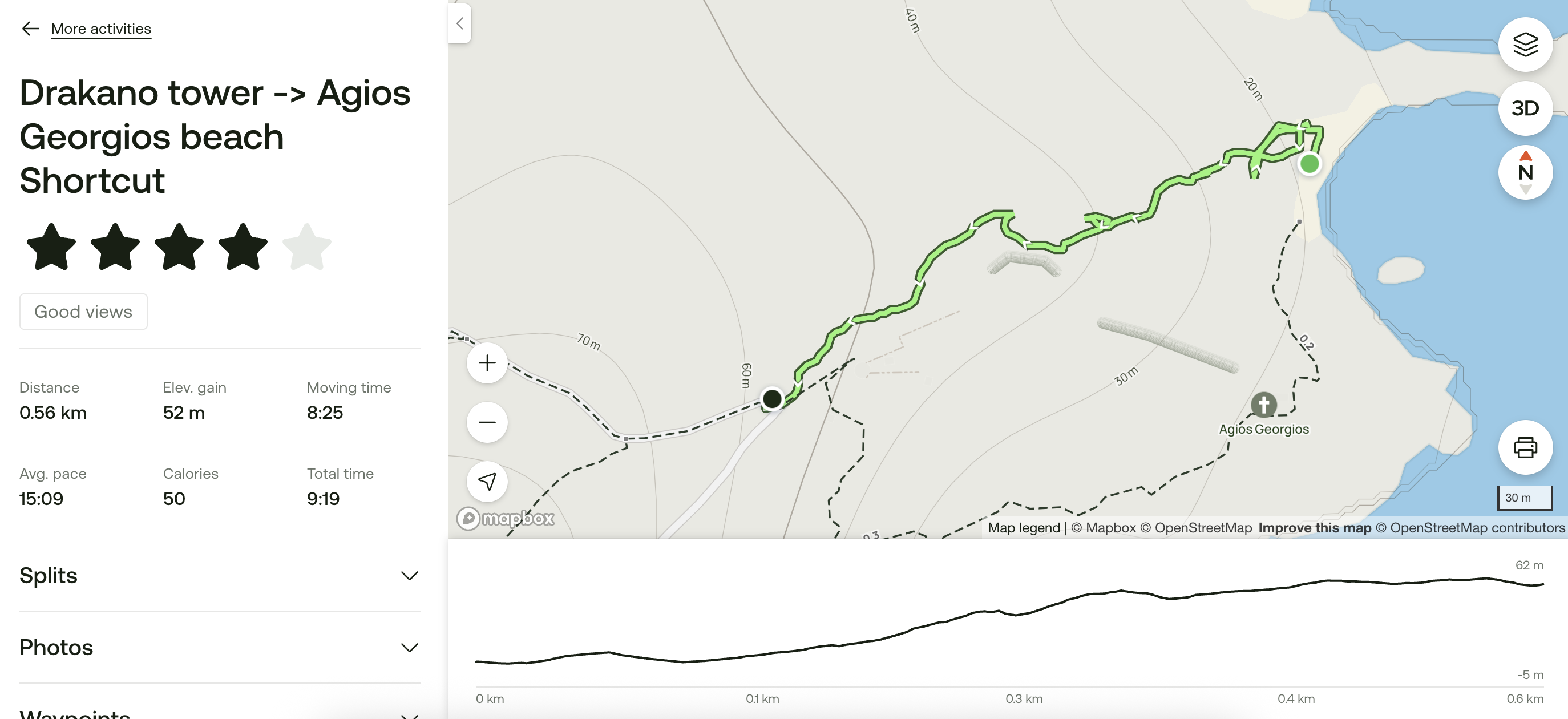
Our host at the rooms-to-let kept recommending taverns and secluded beaches. We were more interested in the stories he had from when he worked producing music for the OG greek rappers two decades ago. However, we followed most of his suggestions. From Therma there is a seaside trail with great view that leads to nearby Nealia beach. The local Ikariotissa beer is brewed around there. However, you need a car (and sturdy shoes) to reach the rest of the north-eastern beaches. Agios Georgios, Giorgaki, Iero, Kerame. The big moment was at Drakano: my friend drowned in childhood memories from an old family trip and the impact that the crumbling tower left him.
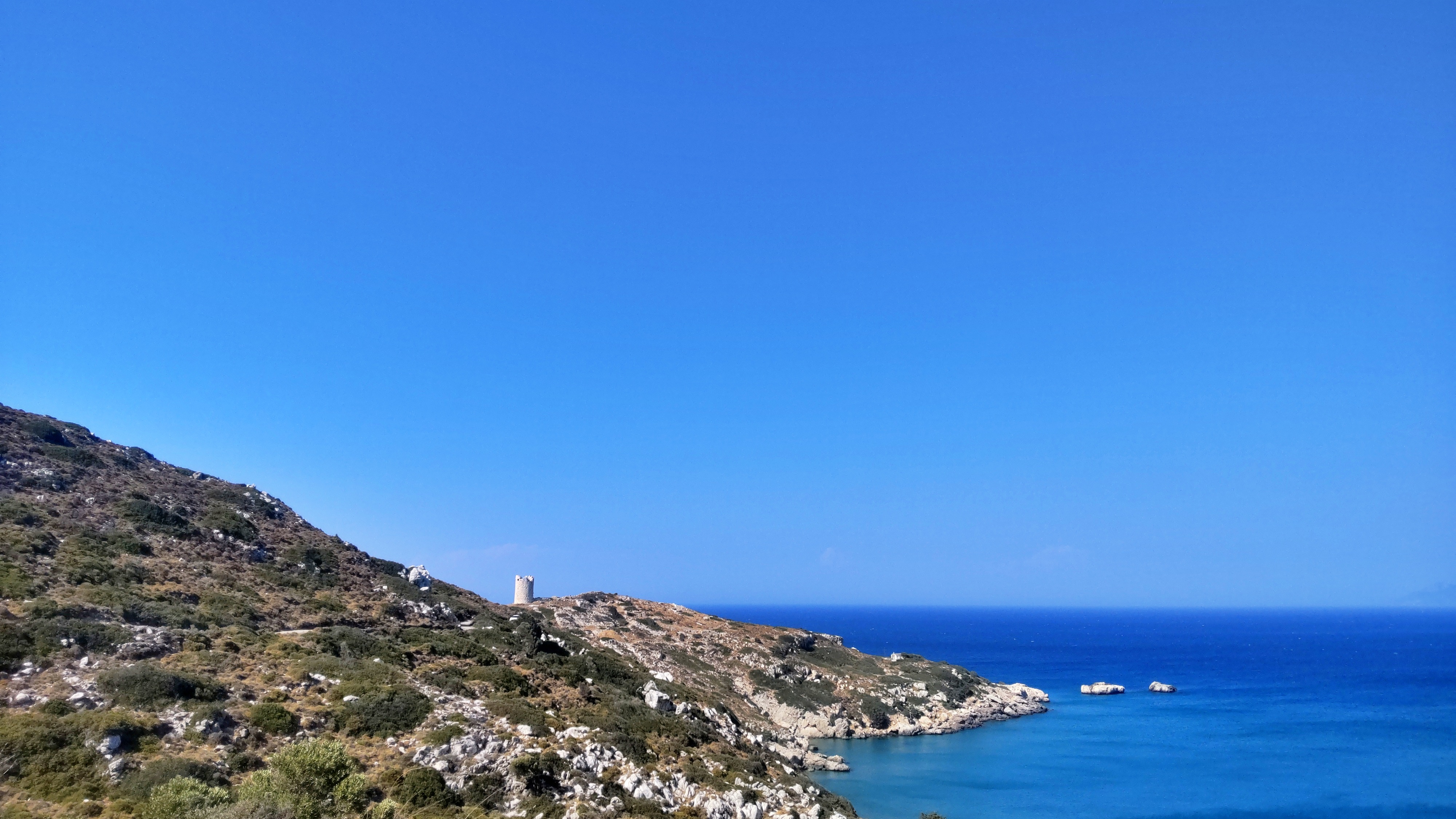
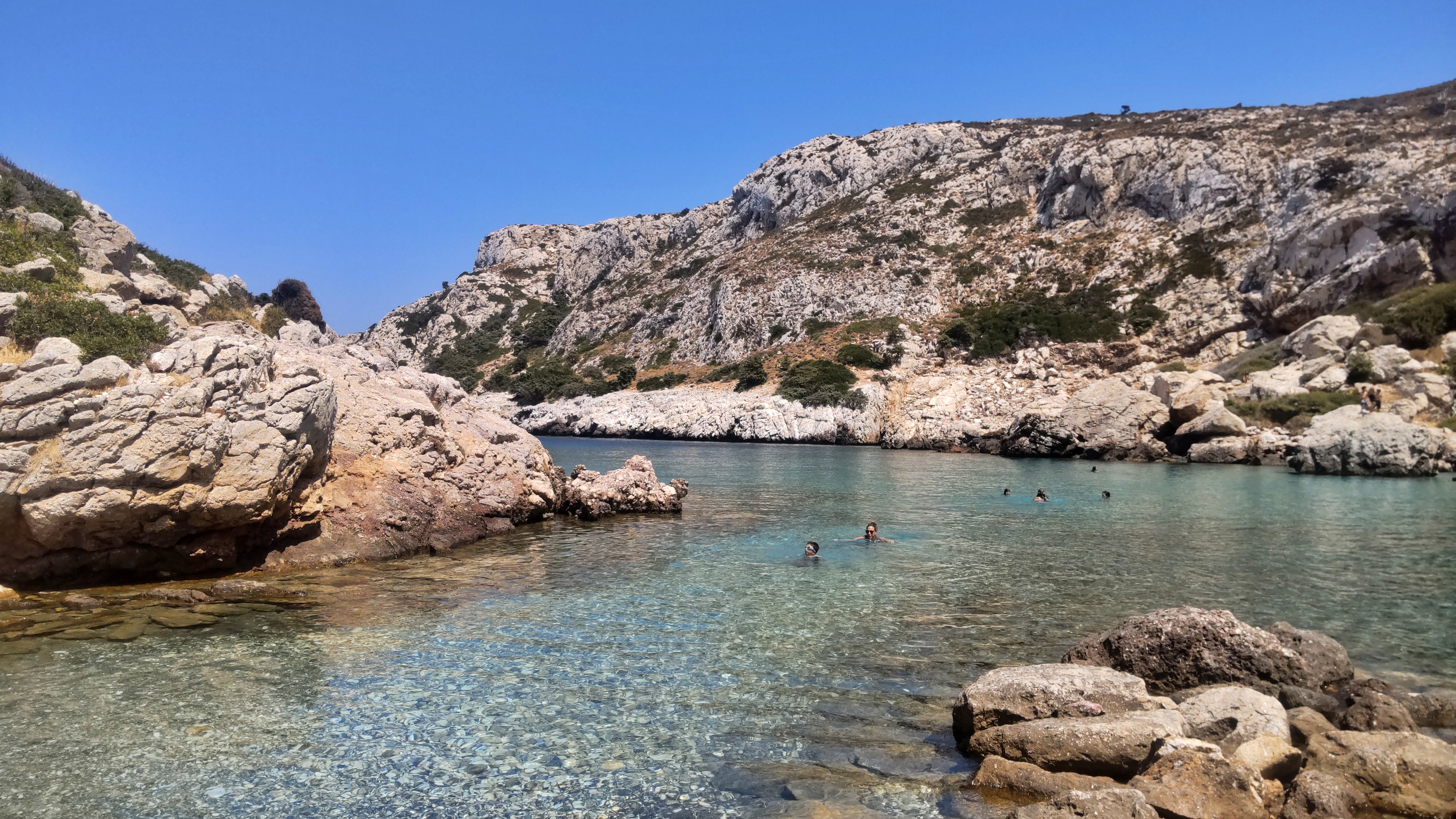
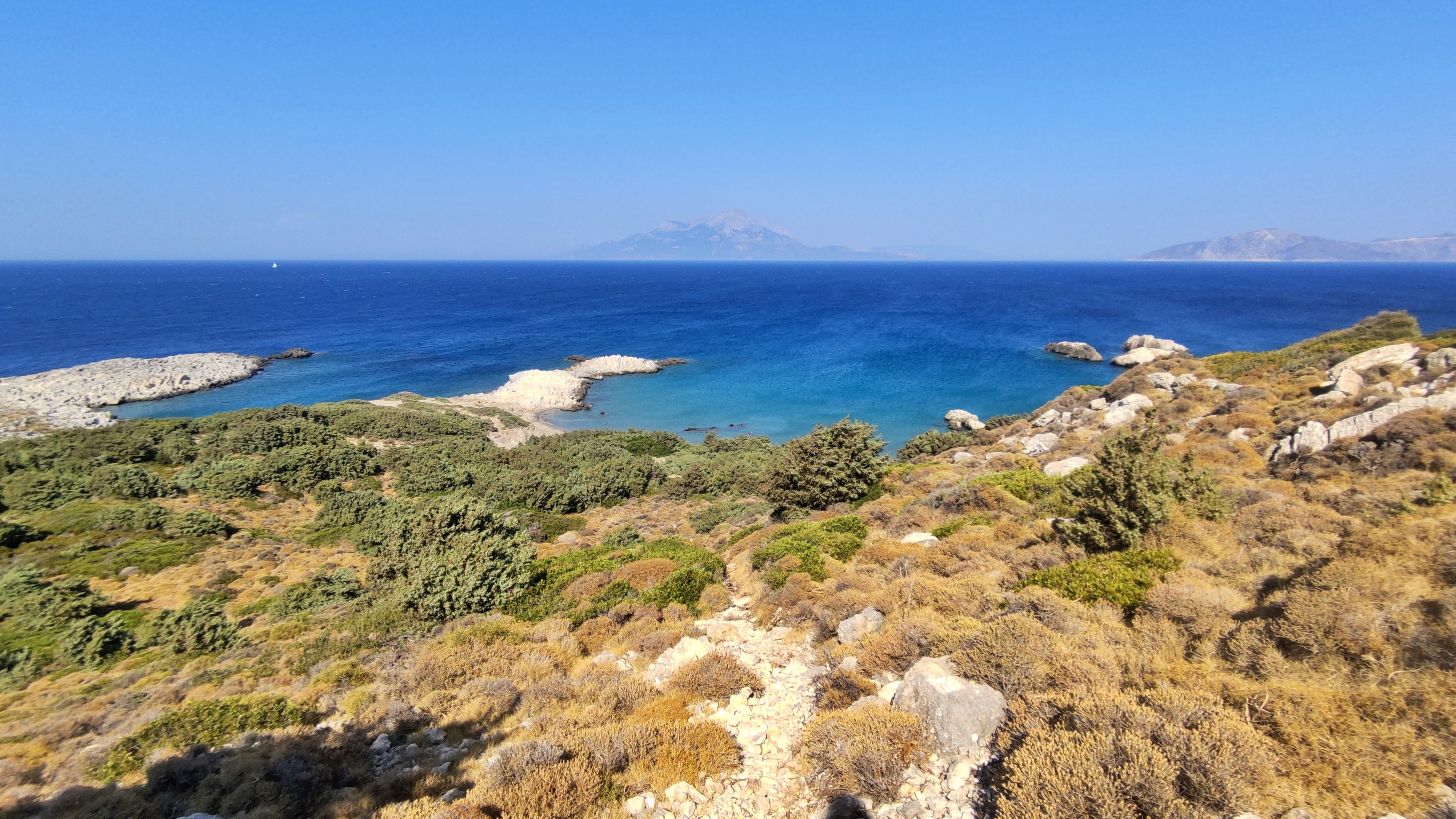
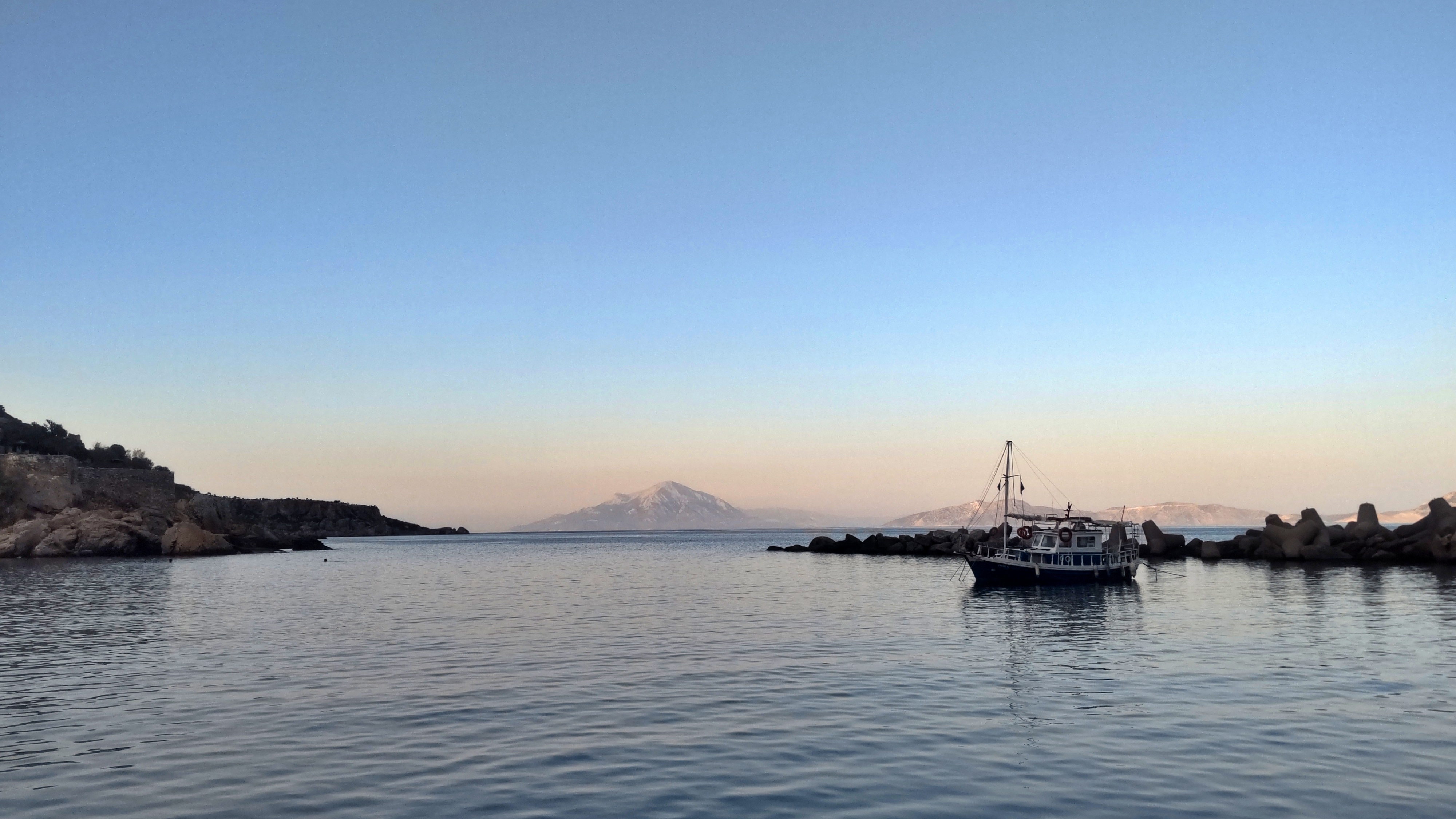
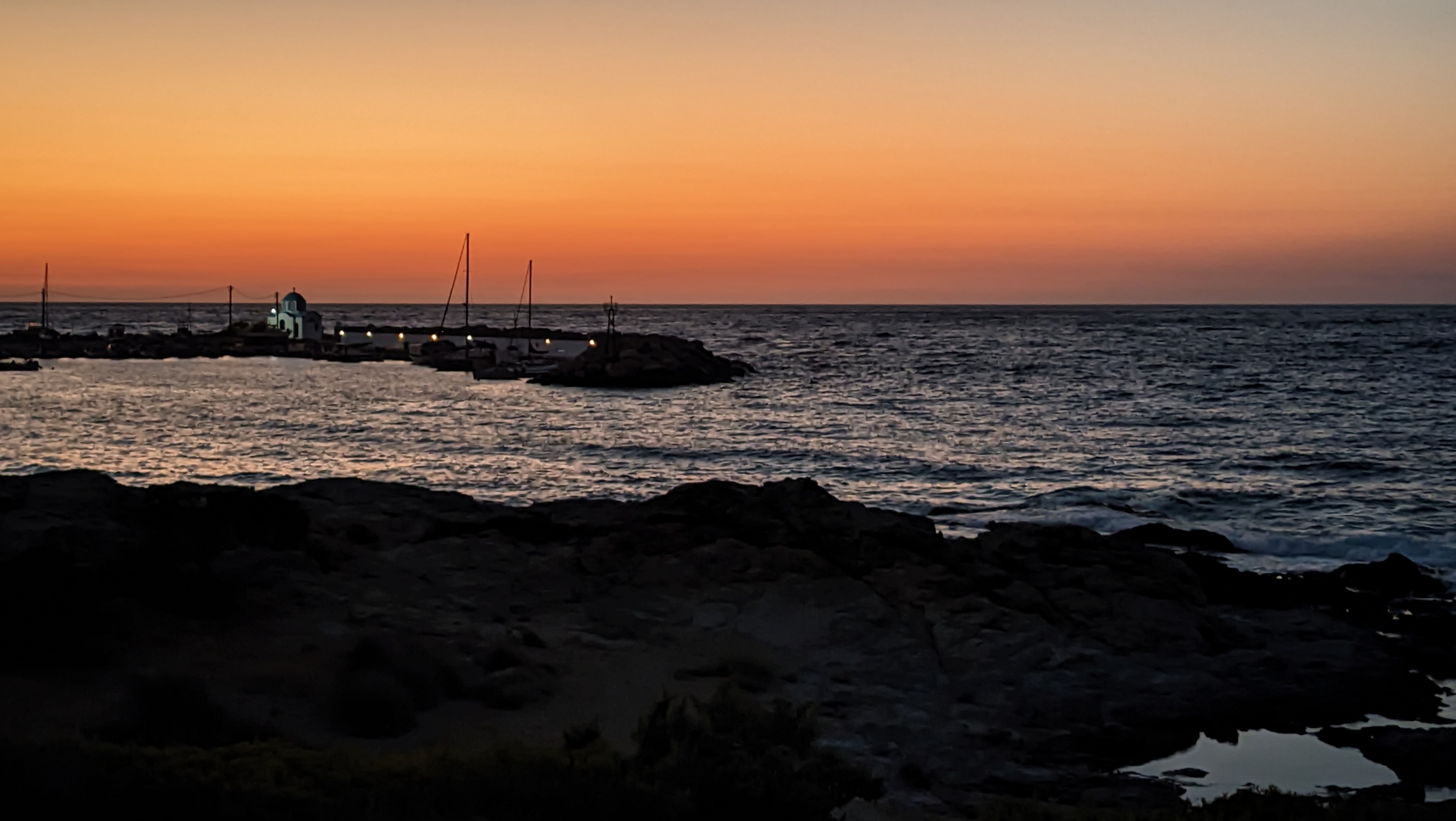
The silhouette of Fournoi Korseon island guts you at sunset. Every night, we’d vow to take the ferry over the next day. Every morning (noon, more accurately) —with coffee clutched, fresh beers chilling at the cooler box— we’d chase new beaches, boat long gone. Driving clockwise, you will eventually reach Seychelles, a beach with turquoise waters, a miraculous consequence of a tunnel being constructed on the road above. One can either park on the road and carefully navigate the fallen rocks (there’s a slippery rock and a support rope just before reaching the water) or you can ride the hourly boat from nearby Magganitis village. There’s even a makeshift bar offering cocktails, if you forgot to take provisions. On the way back, you absolutely have to stop by at Magganitis port for drinks and bites with a view.
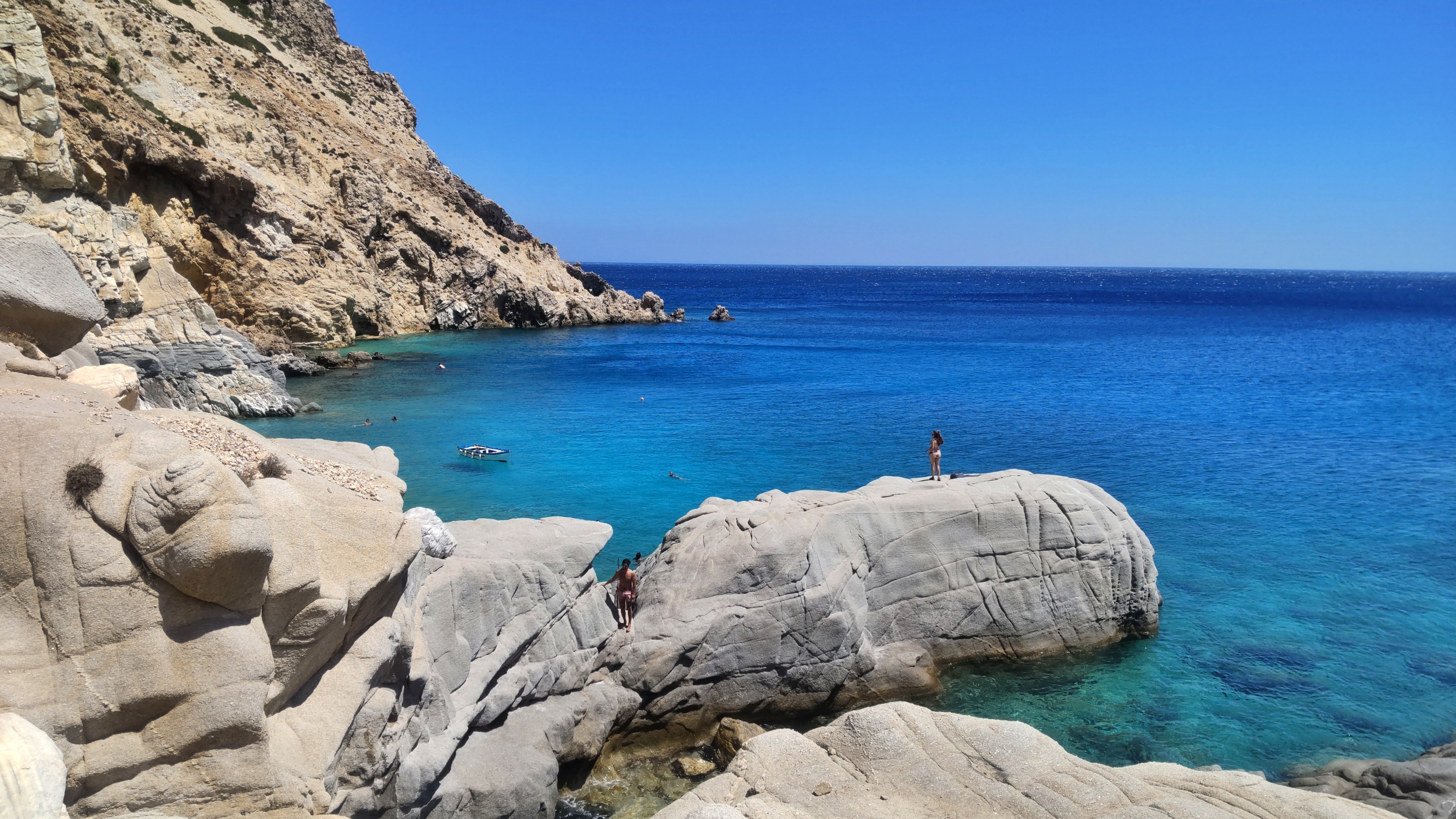
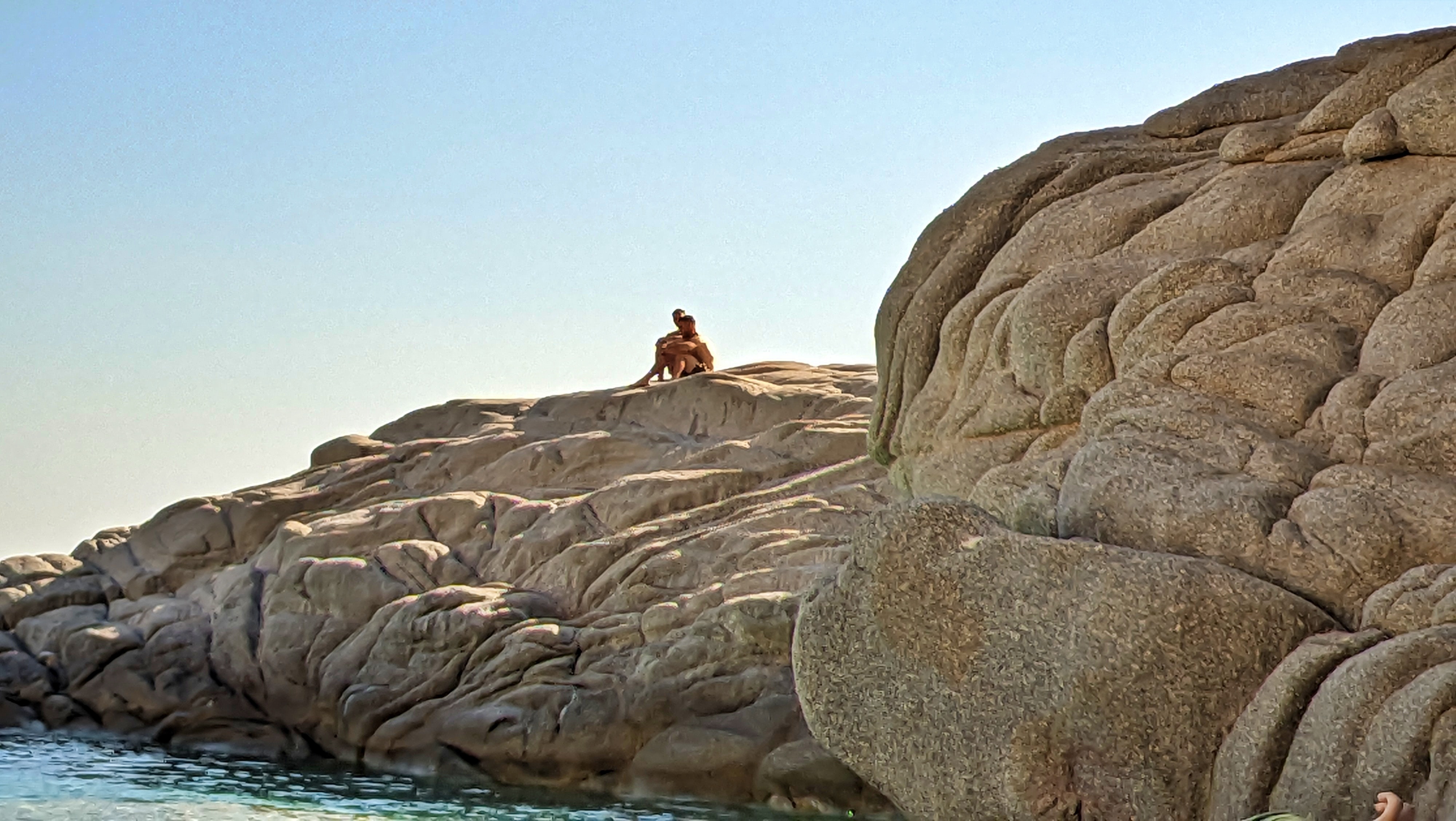
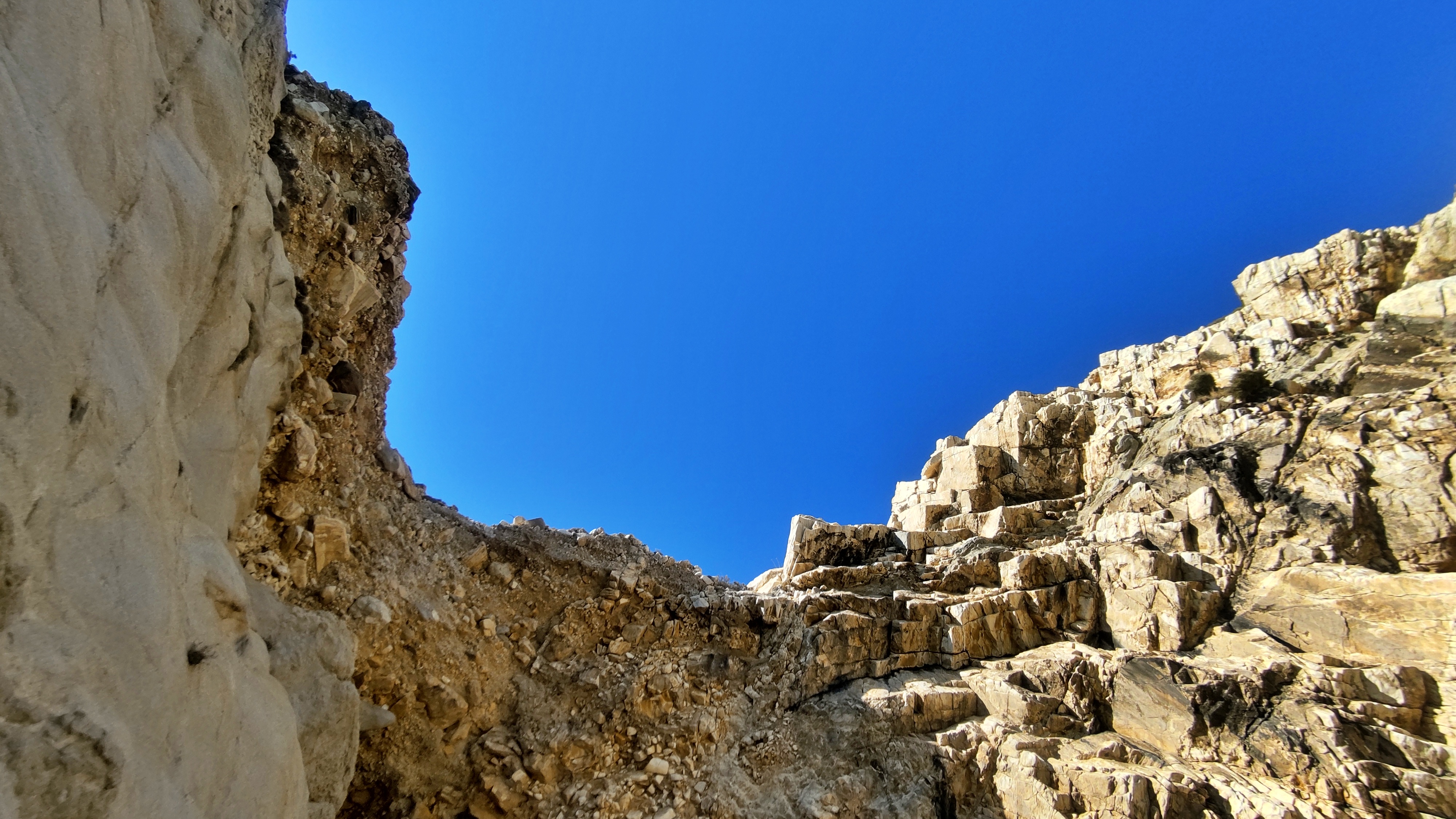
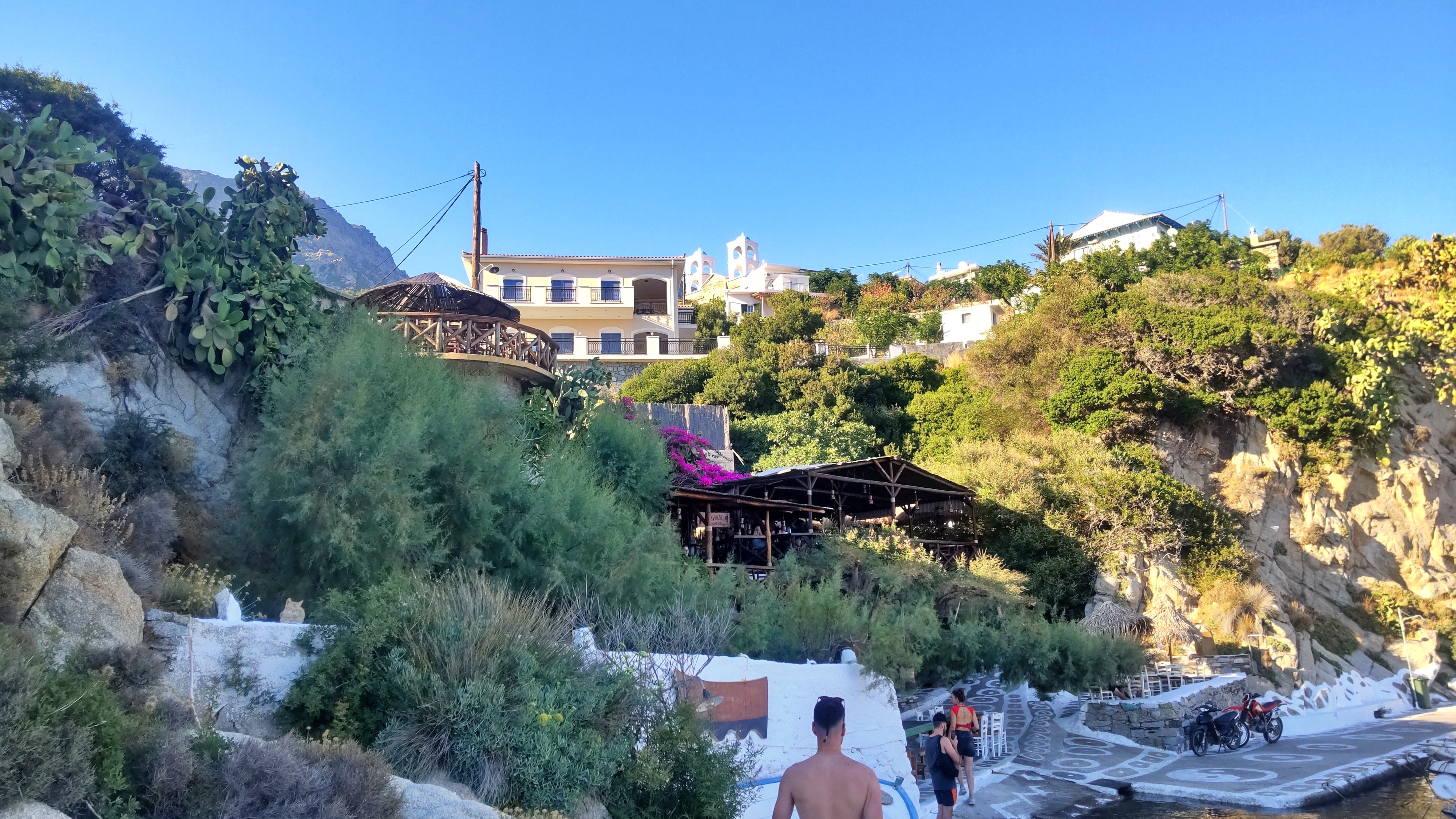
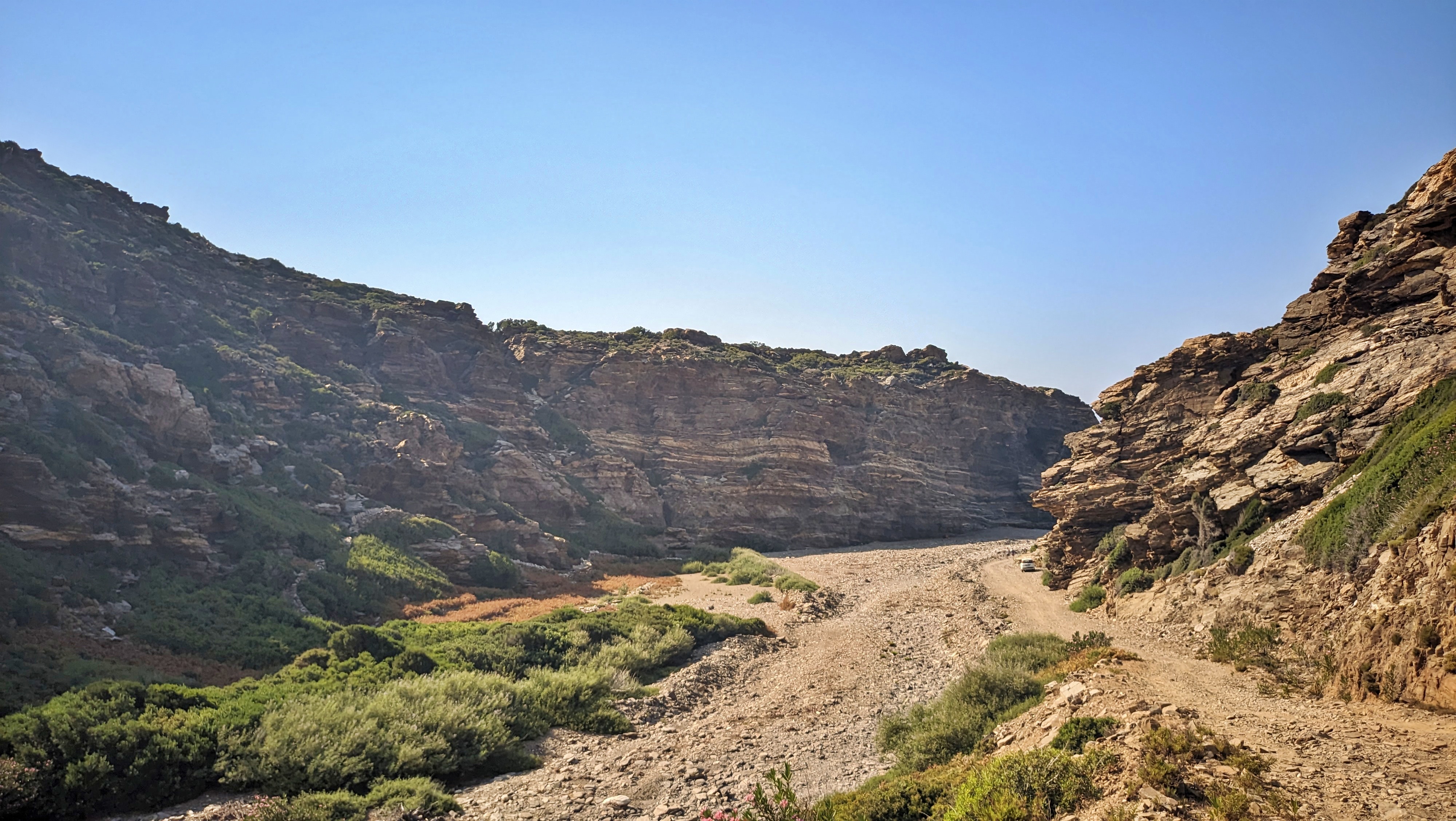
On a later trip we discovered a jewel at the north-eastern side of the island, the gorge of Mileopo. It’s a landscape that reminiscences a bit that of Samothraki, although drier and with sharper rocks. You can either hike up the small pools at Aggellolivades (translates as “angel meadows”) or go down to reach the wavy sea. If you are fond of natural pools, I came across this comprehensive map of pools in Ikaria, although water level depends on the season.
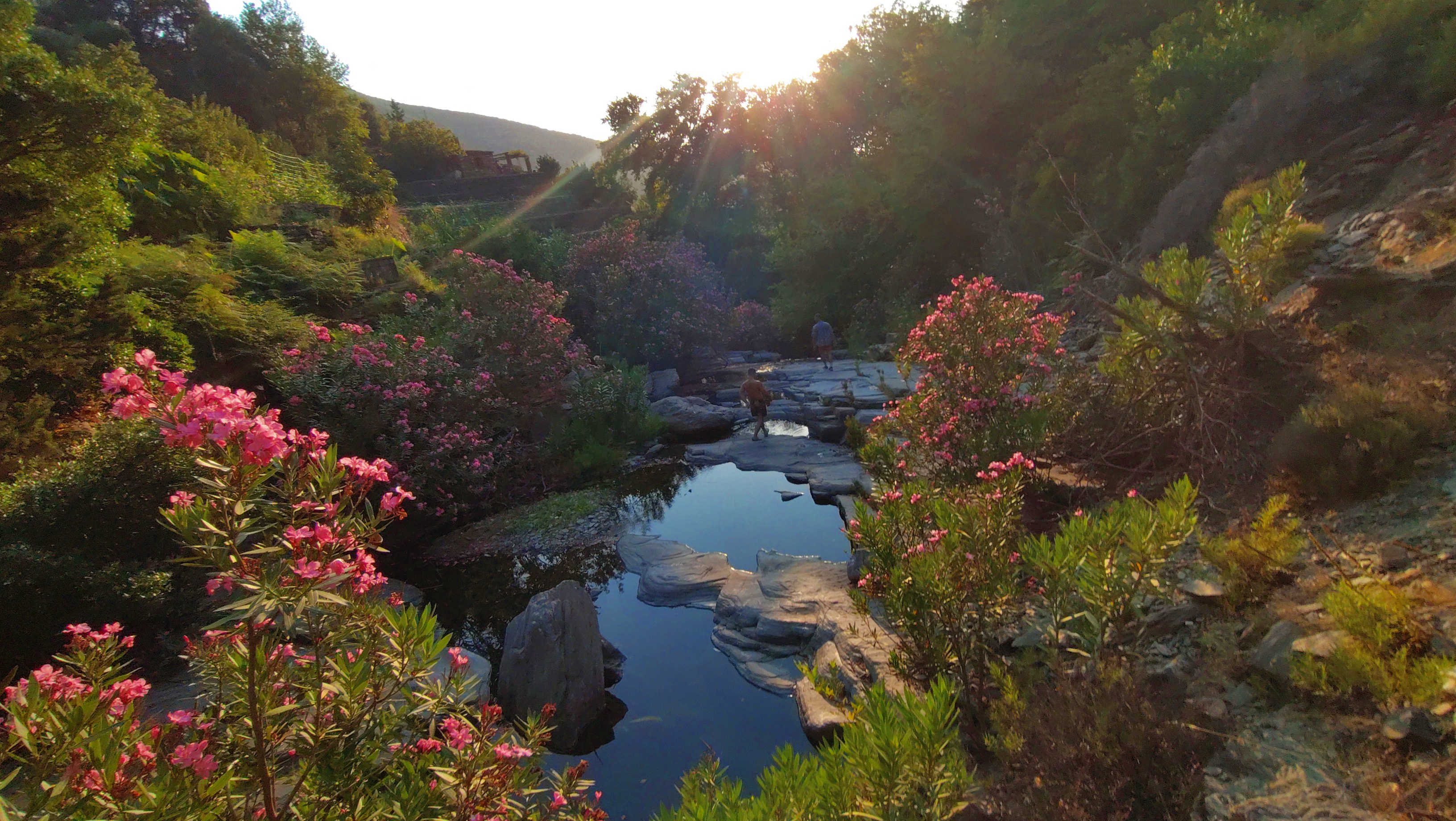
East is quiet, though, and we craved to meet more youth rather than families. That’s Armenistis and Raches for you. There’s an urban legend about the village of Christos in Raches: locals sleep during the day and wake up during the night, a habit that settled centuries ago as a precaution to hide human activity from pirates. Let’s say you were hungry and wanted to get some breakfast. You would enter a bakery, doors wide open, fetch what you need, leave some coins on the tray, and that was it, the shop owner would remain fast-asleep till the afternoon. Alas, capitalism eroded that habit, when I visited shops and cafes were open from the morning, albeit opening much later than it is common in other parts of Greece.
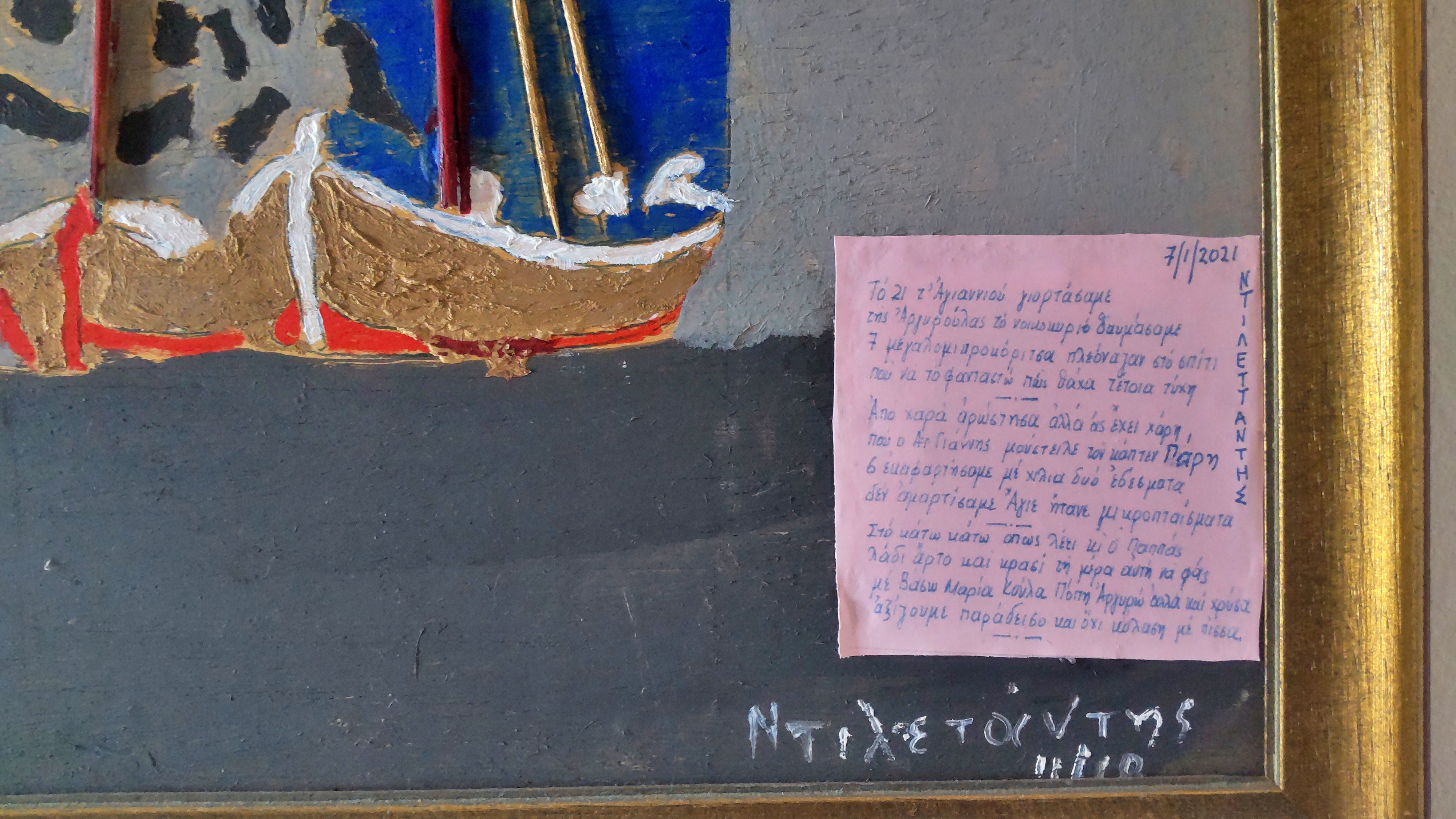
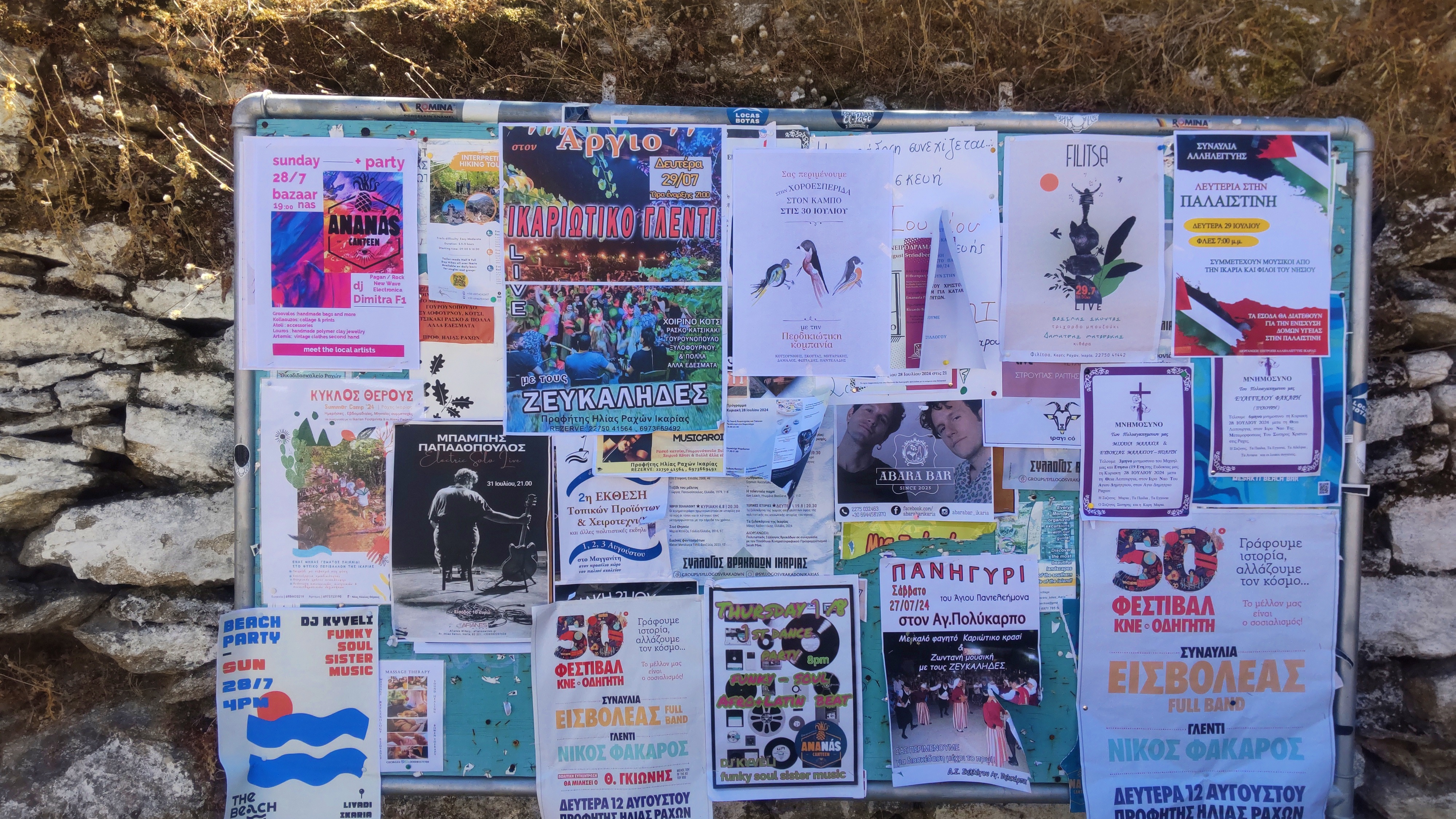
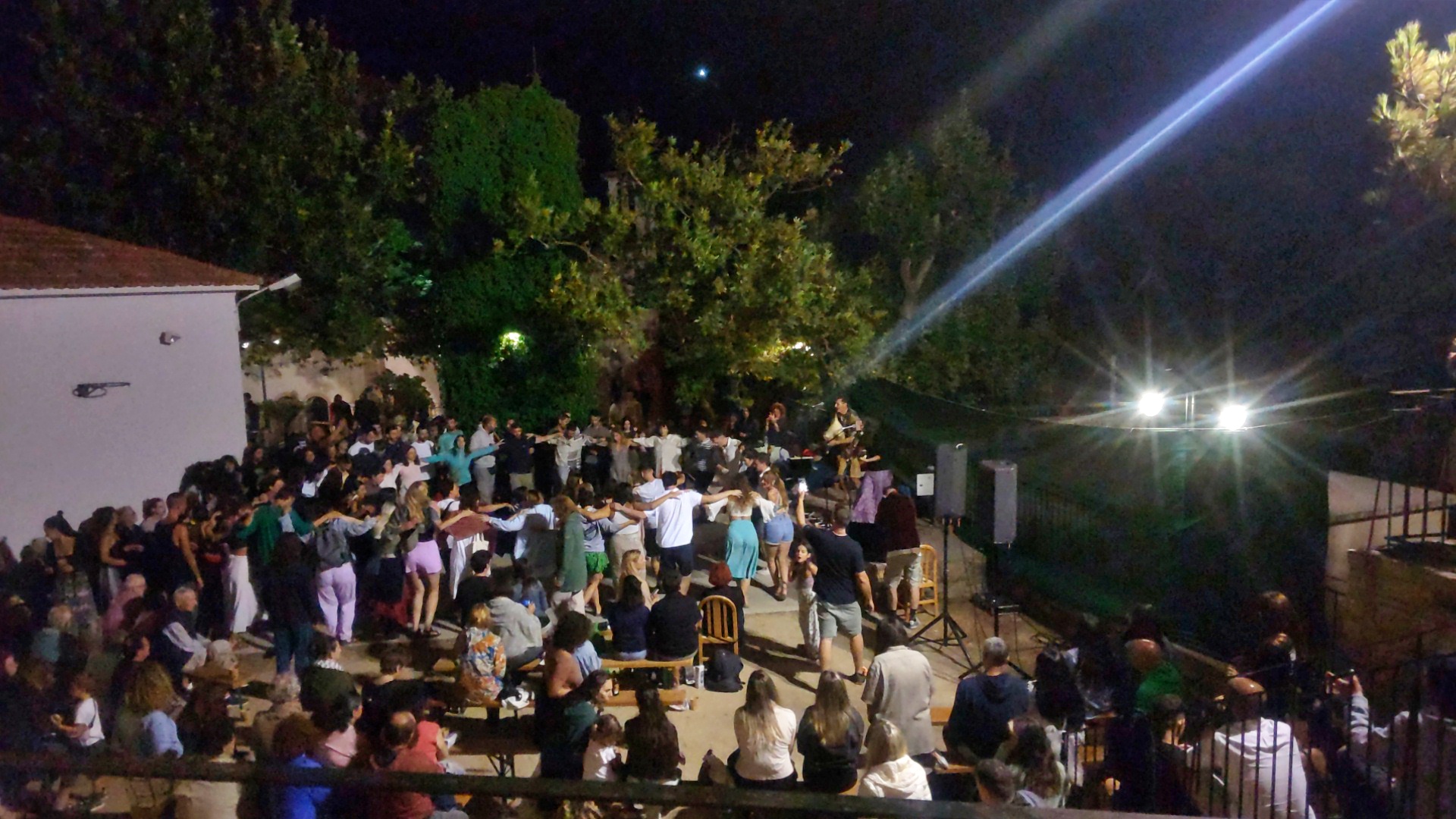
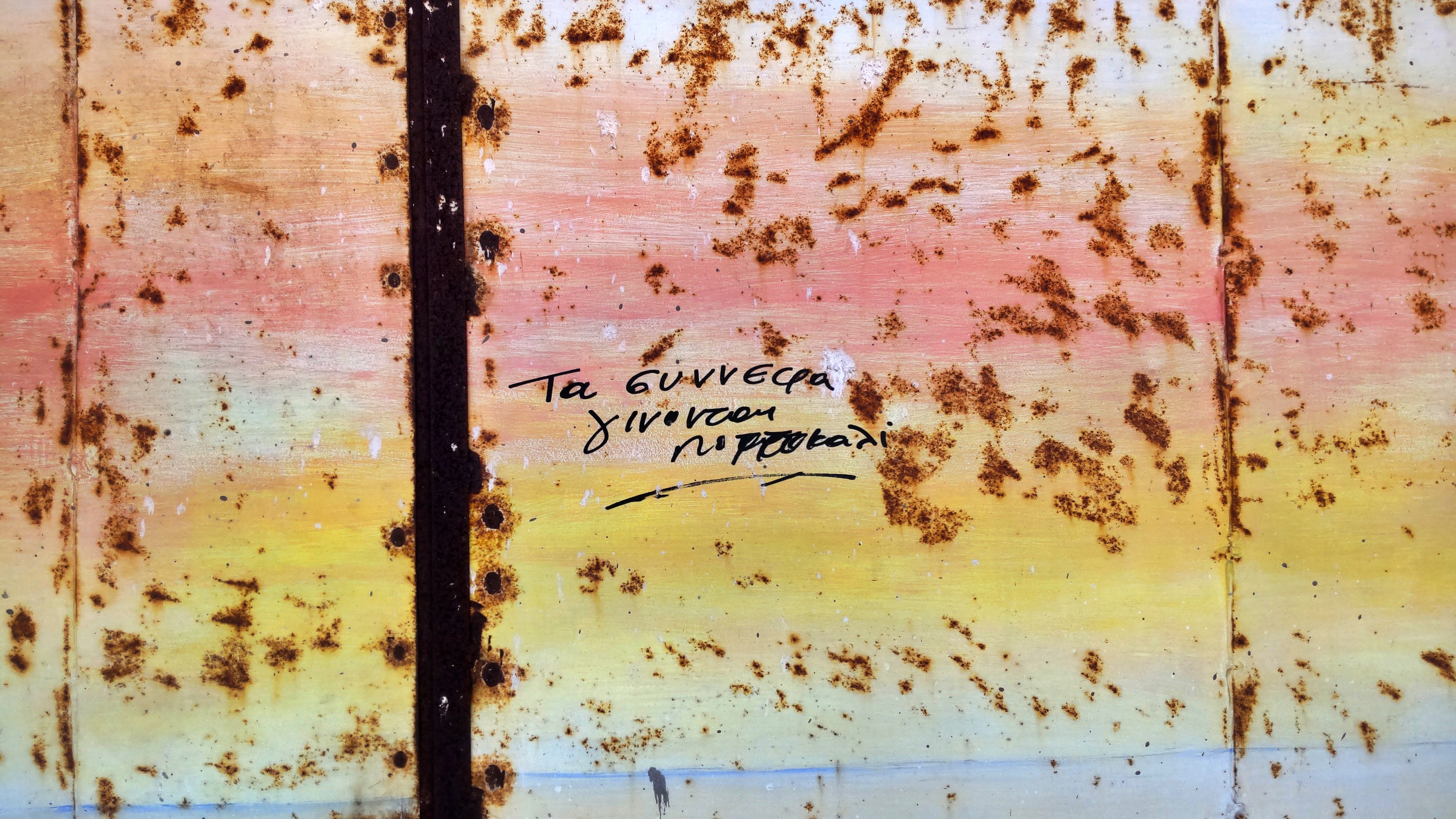
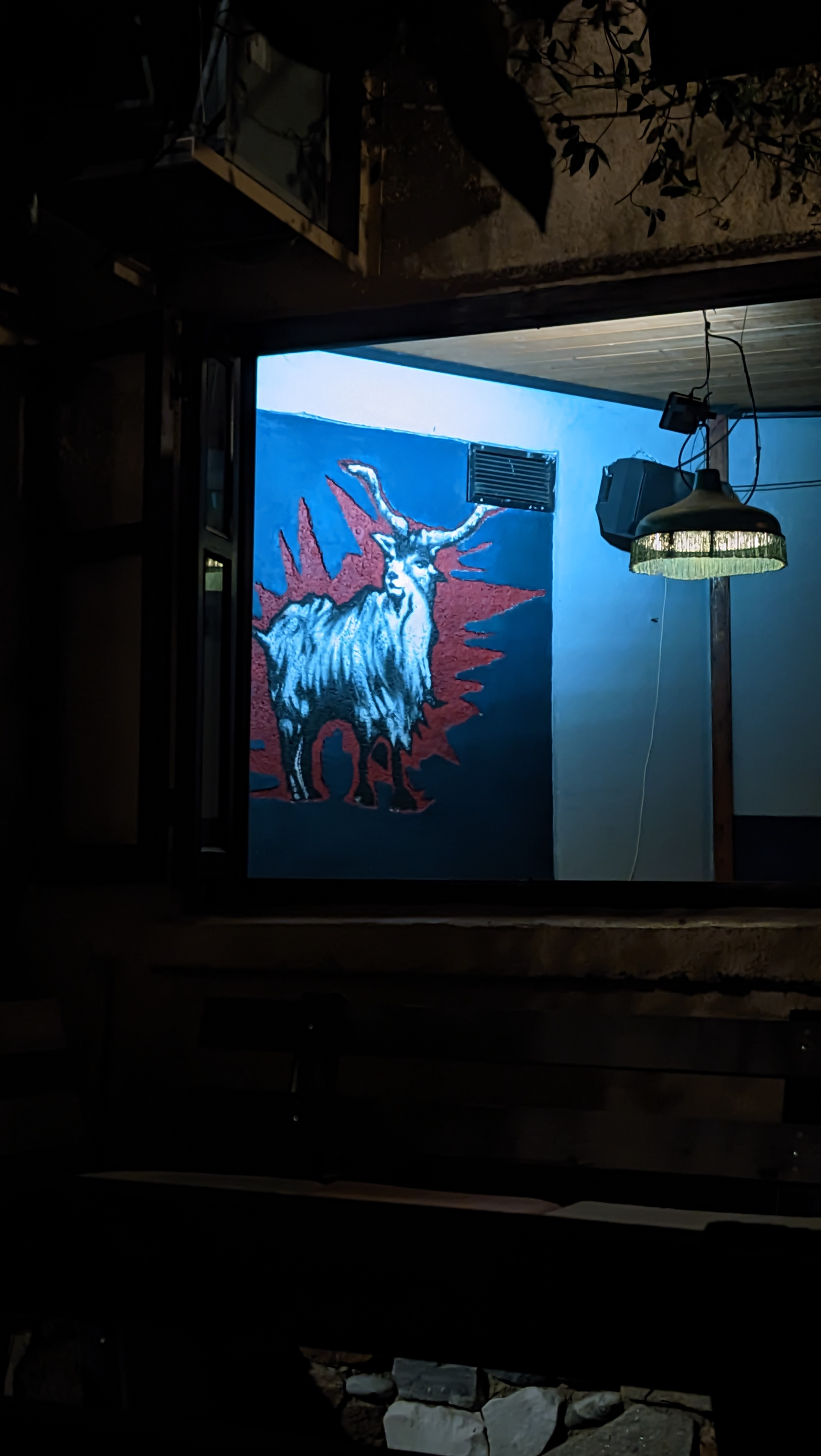
Our routine in the west side of the island is similar but even simpler. Wake up at 2pm, get breakfast under the trees at the yard of our room, swim/drink/repeat, visit a Panigiri or enjoy live music in the evening. There’s no social media post to notify of what’s going on around the island. You just have do a treasure hunt for the actual posters (the biggest collection is at Mesakti and at Mia Zoi Pita) that are renewed almost every day, because everyday is a holiday. Asking “hey guys, are you doing anything interesting tonight?” is the usual ice breaker when trying to get to know the group of people chilling next to you. Vrakades, Karkinagri, Kampos, Petropouli, you just have to keep on dancing Ikariotikos or island walz non-stop. My only recommendation is to follow the duo Skoutas-Mitarakis when they are playing together with Ikariotiki Kompania. The last stop of the night is either a final beer at Sknipa bar or a hangover bite at Asterix bakery at down. By that point, everything is a blur.
On the hiking front, I kept vowing to do a hike at Chalari gorge (I still do). I even brought my hiking gear, which I never used. The gorge of Chalari leads to the unruly beach of Na, home to the most dangerous waves of the Aegean sea. If the waves of Na take your breath away, Mitsaras’ god-tier kolokythopita at Agios Polykarpos can revive you. Fast-forward to next year, when we stayed only in Raches and absolutely refused to move an inch away from Mesakti beach bar. Rinse-repeat loop till next summer.
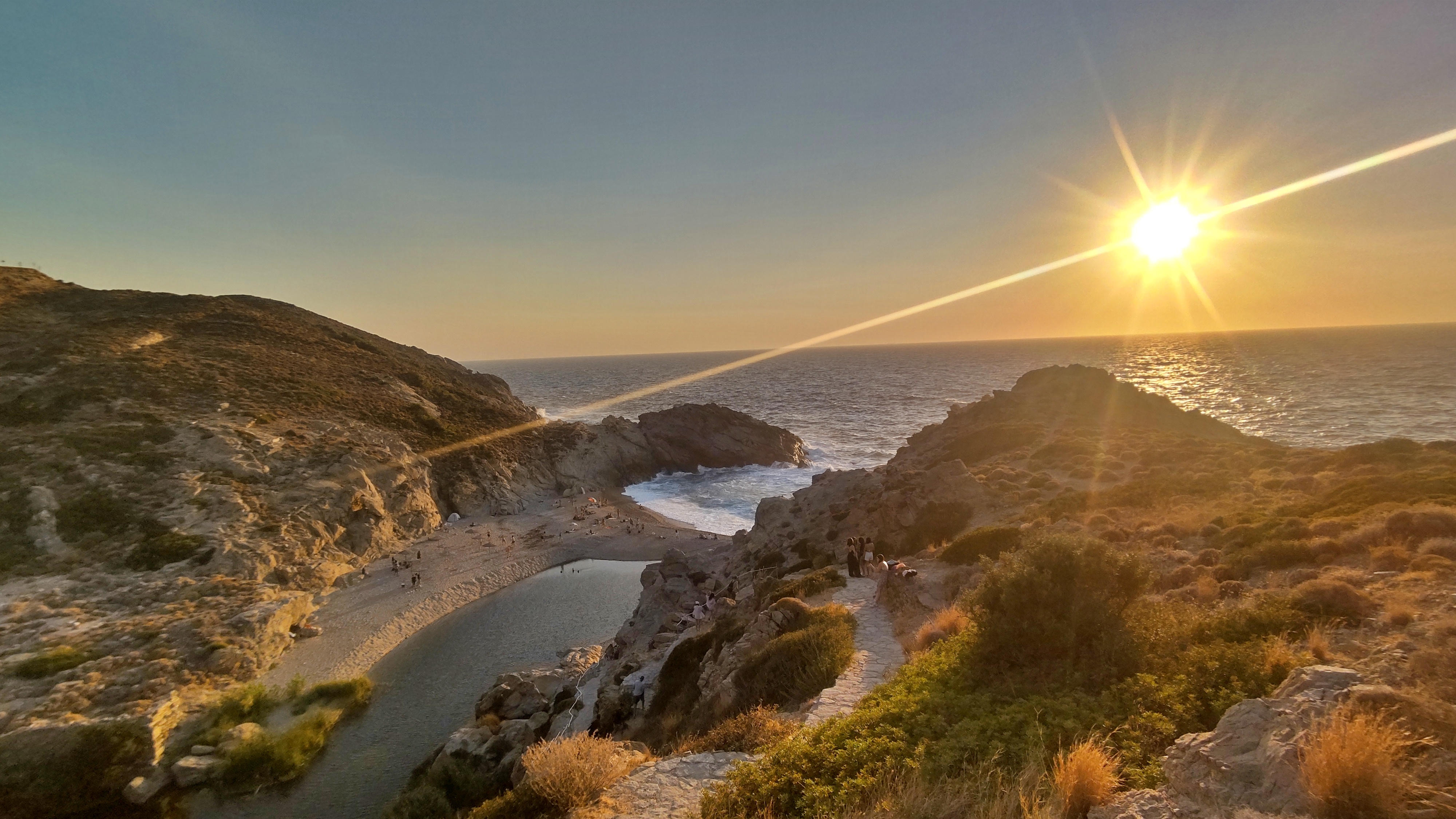
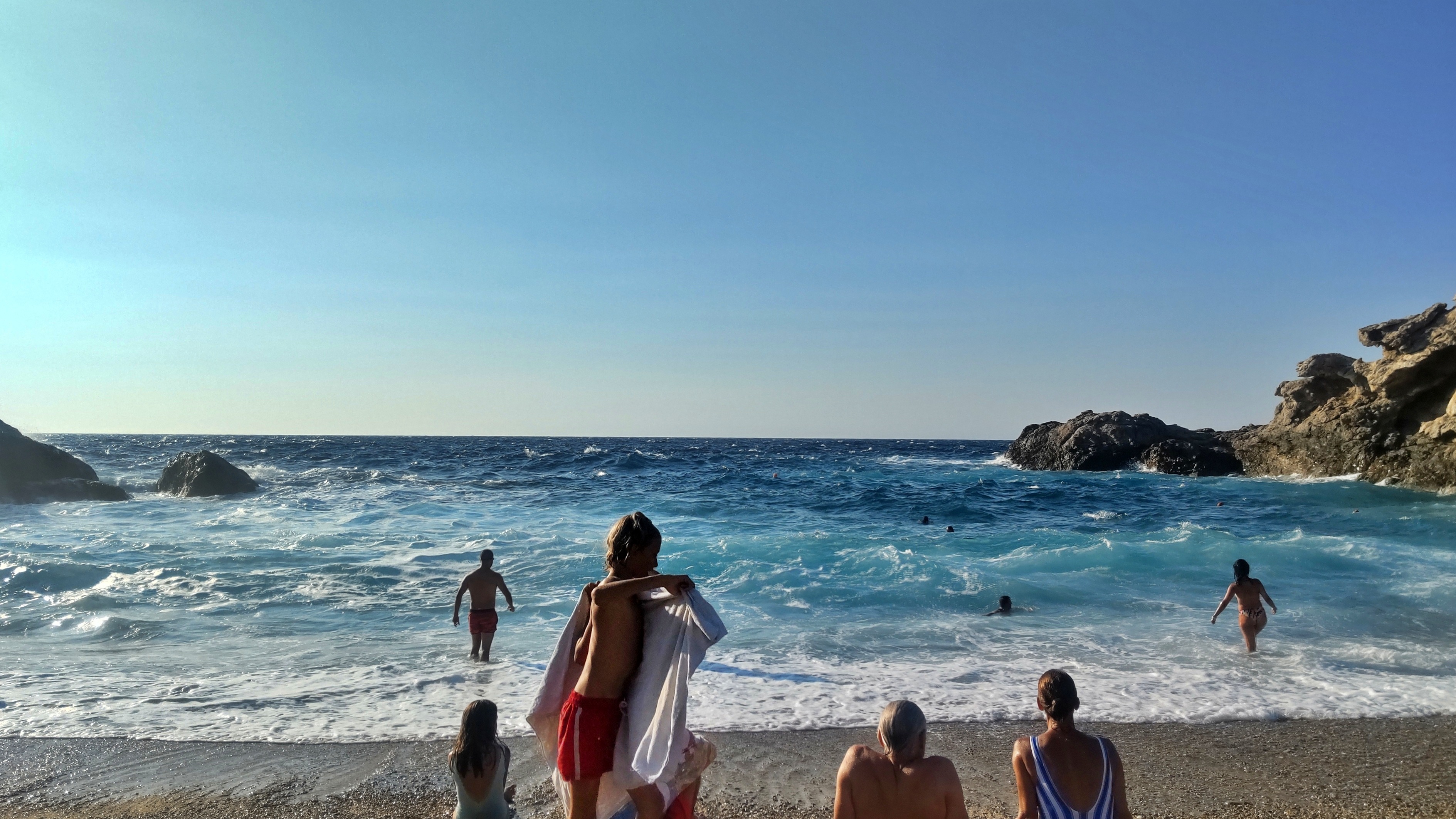
Until now we only visited in late July. Later in the summer is allegedly a mess. The admittedly dangerous roads are jammed with tourists flocking from Athens and DUI is not uncommon. The friendly locals schooled us: February is the prime time for the island and its music festivals. Maybe I can try that next time, and hope to be only half-smashed from alcohol, so that I can throw a hike into the mix.
Read more:

Hiking in Greece: The many gorges of Samothraki
Last summer, I had the most amazing summer vacation experience: no electricity, no water, no cash, no internet,…
Keep reading
Imo-re to the Amamis: A turbulent stay in Amami-Oshima
This summer is different from most. International travel has not bounced back yet and everyone is understandably nervous…
Keep reading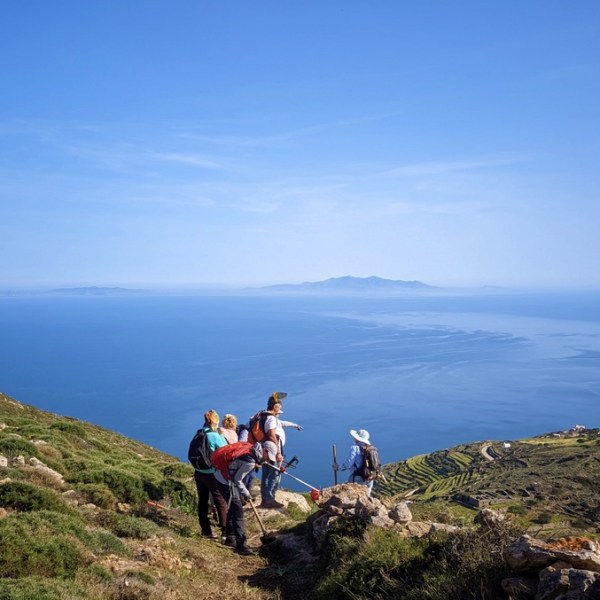
Trail work and wine on Sikinos Island
My parents are still not over it. It’s not the fact that I chose not to visit them…
Keep reading belleelene